
Desk exercise equipment includes compact, ergonomic, and low-noise fitness tools, such as under-desk walking pads, seated ellipticals, pedal exercisers, resistance bands, and active balance seating. These tools are designed to incorporate physical activity into sedentary office and remote workdays.
By enabling micro-movements, calorie expenditure, and posture alignment while working at a desk, these tools directly counteract the metabolic risks of prolonged sitting.
Desk workers sit for an average of 6 to 8 hours daily, significantly elevating the risk of cardiovascular disease, musculoskeletal disorders, and chronic fatigue. Integrating small movement breaks throughout the day stimulates blood circulation, restores mental alertness, and relieves postural strain.
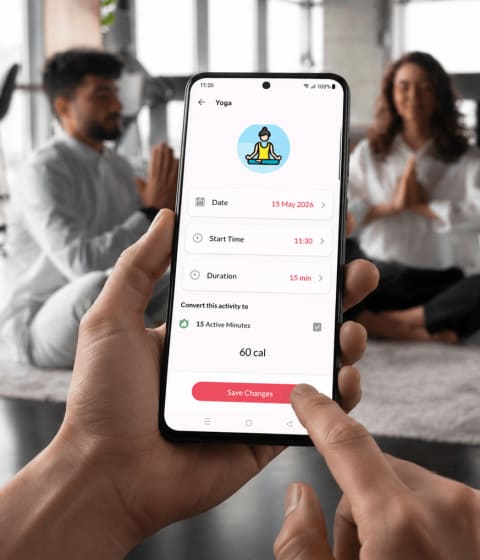
This is why corporate wellness platforms like Vantage Fit help organizations convert everyday desk movement into measurable wellbeing milestones by tracking active minutes, logging micro-workouts, and rewarding consistent daily activity streaks.
Key Takeaways
- Sedentary desk work averages 6–8 hours daily, increasing risks of metabolic slowdown and musculoskeletal strain.
- Using under-desk ellipticals or walking pads can burn an extra 100–250 calories per hour and add 3,000–6,000 steps without disrupting daily tasks.
- Active seating options like stability cushions and balance ball chairs engage deep core muscles and alleviate lower back stiffness.
- Structured wellness habits that include light physical activity correlate with up to 4 fewer sick days per year and roughly $250 in annual healthcare savings per employee.
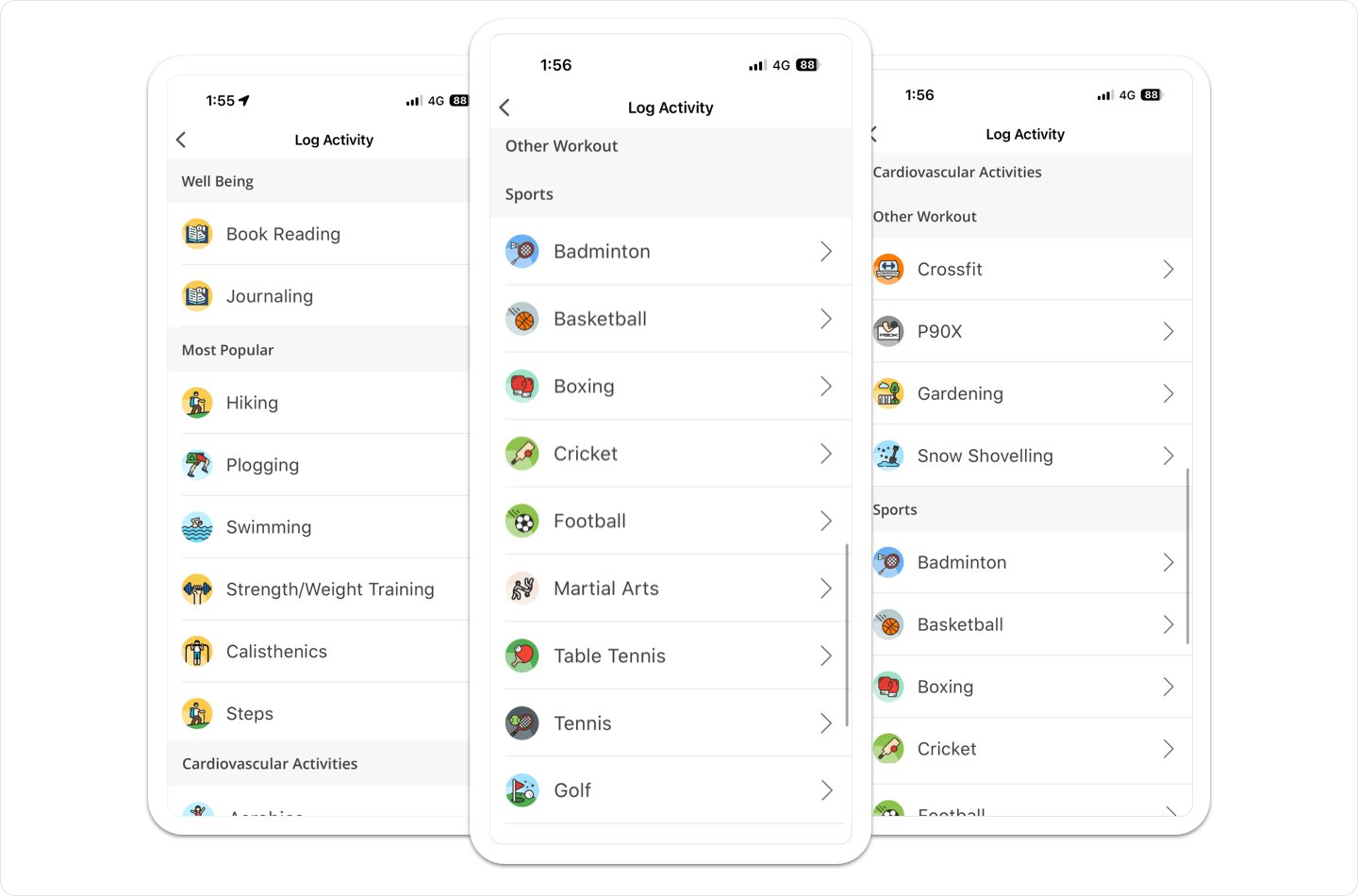
- Platforms like Vantage Fit track 30+ activity types and award active minutes for desk stretches, walking pads, and micro-workouts.
What are the benefits of desk exercise equipment?

Excessive seated time places sustained physical strain on the body. Modern desk exercise equipment offers practical solutions to stay active during phone calls, document reviews, and focused work sprints.
Here are seven key benefits of using desk exercise equipment:
1. Improved physical fitness and stamina
Incorporating desk exercise equipment into your regular routine activates major lower- and upper-body muscle groups while improving cardiovascular circulation. Regular low-intensity movement enhances endurance, joint mobility, and musculoskeletal flexibility.
2. Active weight management

A sedentary lifestyle and prolonged sitting can contribute to weight gain. Using desk exercise equipment like under-desk ellipticals or pedal exercisers enables employees to burn active calories while seated or standing, supporting long-term metabolic health.
3. Reduced stress levels and physical tension
Workplace stress frequently manifests as neck stiffness, shoulder tightness, and mental fatigue. Physical movement triggers the release of endorphins that relieve physical tension and elevate mood.

Even gentle, low-impact desk exercise provides a mental release valve that mitigates acute workplace anxiety and prevents burnout.
4. Increased cognitive focus and productivity

Physical activity directly improves executive function, working memory, and employee productivity. Low-resistance desk workouts enhance cerebral oxygenation, boosting alertness during long analytical tasks.
"Happier, more productive employees are the ones able to take breaks throughout the day to recharge the mind and body. Employees that are physically, mentally, emotionally healthy are more focused and more productive."
— LeAnn Smith, Health & Nutrition Coach | Listen to the full episode
5. Channeling restless energy
Employees with ADHD or high motor restlessness benefit significantly from low-friction desk equipment like under-desk pedals or stability cushions. These tools provide non-disruptive kinesthetic input that channels excess energy into focused work output.
6. Better sleep quality and recovery
Regular daytime movement promotes natural circadian rhythm regulation and deeper sleep cycles. Addressing sleep deprivation through consistent daytime activity ensures employees wake refreshed and ready for the workday.

Light physical activities such as desk stretching and pedal cycling help regulate cortisol levels and facilitate restful recovery.
7. Enhanced blood circulation
Prolonged static posture restricts venous blood flow in the lower extremities, which causes swelling, lethargy, and discomfort. Desk exercise engages the calf and leg muscles to stimulate venous return, maintaining healthy circulation throughout long work shifts.
Who should use desk exercise equipment?

Clinical research confirms that sitting motionless for extended periods directly impairs vascular function and cardiovascular health. Keeping compact workout tools near the workstation provides accessible opportunities for micro-movements every hour.
Desk-bound professionals working 7 to 9 hours daily benefit the most from integrating movement tools. Simple habits, such as pedaling during team catchups, using a walking pad during webinars, or standing on an anti-fatigue mat, accumulate substantial health dividends.
For employees who want to turn desk-side movement into measurable progress, platforms like Vantage Fit make it easy to stay consistent. The platform tracks 30+ activity types and uses an Active Minutes metric to log every movement session, regardless of duration.
Research underscores the business case for regular workplace activity: physical wellness habits are linked to up to 4 fewer sick days per year and approximately $250 in annual healthcare savings per employee.
15 best desk exercise equipment options for 2026
Different desk exercise tools cater to specific workspace constraints and ergonomic goals. Some allow subtle movement while seated, while others pair with standing workstations.
Here's a quick-reference comparison to help you choose the right setup:
| # | Equipment | Use While Seated | Noise Level | Space Needed |
|---|---|---|---|---|
| 1 | Adjustable Standing Desk | No | Silent | Full desk |
| 2 | Stability Cushion | Yes | Silent | Seat space |
| 3 | Small Hand Weights | Yes | Silent | Desk drawer |
| 4 | Full Desk Bike | Yes | Low | Requires desk height |
| 5 | Yoga / Exercise Mat | No | Silent | Roll-up |
| 6 | Hand Grip Strengthener | Yes | Silent | Palm-sized |
| 7 | Balance Ball Chair | Yes | Silent | Chair space |
| 8 | Treadmill Desk | No | Moderate | Full desk setup |
| 9 | Resistance Bands | Both | Silent | Pocket-sized |
| 10 | Under-Desk Bike Pedal | Yes | Silent | Foot space only |
| 11 | Wearable Fitness Tracker | Yes | Silent | Wrist |
| 12 | Under-Desk Elliptical | Yes | Silent | Foot space only |
| 13 | Ergonomic Active Stool | Yes | Silent | Chair space |
| 14 | Walking Pad | No | Low–moderate | Under-desk footprint |
| 15 | Standing Desk Mat | No | Silent | Desk area |
Let's examine each option in detail:
1. Adjustable standing desk
An electric or manual height-adjustable standing desk allows you to alternate between sitting and standing throughout the day. Standing workstations burn significantly more calories than static sitting, improve posture alignment, and stimulate metabolic rate. Pair a standing desk with an anti-fatigue mat or walking pad for optimal ergonomic benefits.
2. Stability cushion
A stability cushion (or balance disc) placed on an office chair introduces subtle instability that activates deep core and spinal stabilizer muscles. It discourages slouching, encourages dynamic sitting, and reduces lower back stiffness during long seated periods.
3. Small hand weights and dumbbells
Bringing a pair of 2 to 5 pound dumbbells to your workstation allows you to perform quick strength micro-workouts between tasks.

Bicep curls, overhead presses, and lateral raises stimulate upper-body circulation and relieve shoulder tightness caused by typing.
4. Full desk bike and cycle workstation
A desk bike integrates an upright stationary cycle with a desktop surface or fits under an elevated standing desk. It offers smooth, low-impact cardiovascular exercise while reviewing documents or attending virtual meetings.
5. Yoga and compact exercise mat

A lightweight, roll-up exercise mat kept beside your desk enables quick floor stretches, pilates routines, or lunchtime office yoga poses. Taking five minutes to stretch hip flexors and hamstrings counteracts hours of chair sitting.
6. Hand grip strengthener
Hand grip strengtheners and squeeze rings build forearm and tendon resilience for employees who type or use a mouse for extended hours. Regular grip work increases hand dexterity, alleviates carpal tunnel strain, and offers a discreet stress-relief outlet.
7. Balance ball chair
A balance ball chair replaces a traditional static office chair with an exercise ball mounted in an ergonomic frame. The dynamic surface encourages active posture, engages stabilizing abdominals, and alleviates spinal compression.
8. Integrated treadmill desk
A treadmill desk combines a dedicated slow-speed walking surface with an adjustable standing console. Designed for continuous low-speed walking (1.0–2.0 mph), it enables employees to log miles while managing emails and calls.
9. Mini loop and resistance bands
Resistance bands are ultra-portable, cost-effective strength tools that store easily in any desk drawer. Anchoring bands to your desk or chair enables seated leg extensions, chest expansions, and bicep curls. They fit naturally into active pauses at work to maintain energy throughout the day.
10. Portable under-desk pedal exerciser
An under-desk pedal exerciser is a compact mini-bike mechanism that sits under a standard desk easily. It provides silent, smooth lower-body cycling to improve leg circulation and burn extra calories without knee desk collisions.
11. Wearable fitness tracker and smart sync
Wearable devices monitor daily steps, heart rate variability, and active movement intervals. Pairing a fitness tracker with wellness software like Vantage Fit provides actionable feedback on daily active minutes and ensures no micro-workout goes unrewarded.
12. Compact under-desk elliptical trainer
Under-desk ellipticals utilize a forward-and-backward gliding motion that requires minimal vertical knee clearance, making them ideal for standard desks. They provide low-impact cardiovascular activity that tones leg muscles and reduces sitting fatigue.
13. Dynamic ergonomic active stool
An active ergonomic stool features a rounded, weighted base that tilts, swivels, and leans with your natural body movements. This constant low-level balance work promotes core engagement, opens the hip angle, and relieves any lumbar pressure.
14. Foldable under-desk walking pad
A walking pad is a flat, minimalist treadmill designed specifically to slide under standing desks. Operating at quiet speeds between 0.5 and 4.0 mph, walking pads make it easy to cover 3,000 to 6,000 extra steps during calls, webinars, and reading tasks.
15. Contoured anti-fatigue standing mat
Standing on hard flooring for prolonged periods causes foot fatigue and joint compression. An anti-fatigue mat uses high-density foam or gel cushioning, often with ergonomic ridges and contours that encourage subtle weight shifts. This ensures comfortable standing sessions throughout the day.
Suggested Read: Workplace Ergonomics: Benefits And Ways To Improve It
Remember to listen to your body and introduce equipment gradually. If you experience unusual joint pain or discomfort, pause and consult an ergonomic specialist or healthcare provider.
Wrapping up: Build an active desk routine
Integrating desk exercise equipment into your daily workflow transforms sedentary work hours into opportunities for physical vitality. Whether you choose a compact under-desk elliptical, a walking pad, or simple resistance bands, consistent micro-movements protect your cardiovascular health, improve posture, and sharpen mental focus.
To sustain momentum across teams, corporate wellness platforms like Vantage Fit provide real-time activity logging, team movement challenges, and milestone rewards. By making movement a celebrated part of organizational culture, employers can foster healthier, more energetic teams.
Frequently Asked Questions
Do under-desk workout machines actually burn calories and improve health?
Yes. Under-desk ellipticals and pedal exercisers burn roughly 100 to 200 additional calories per hour of moderate use. More importantly, they stimulate leg circulation, reduce insulin spikes after meals, and combat the vascular stiffness associated with static sitting.
Can I use desk workout equipment without distracting coworkers or disrupting work?
Yes. Most modern desk exercise tools, including under-desk ellipticals, stability cushions, and resistance bands, are designed for whisper-quiet operation. For typing and precise mouse tasks, low-intensity pedaling or active seating works best, while walking pads are ideal for calls and document reviews.
Which desk exercise equipment is best for compact home offices?
For tight workspaces, resistance bands, hand grip strengtheners, stability cushions, and foldable walking pads offer maximum fitness utility with minimal storage footprint. Resistance bands and cushions store easily in drawers or under chairs.
Can desk exercise equipment replace regular gym or cardio workouts?
Desk exercise tools are designed for non-exercise physical activity (NEAT) to break up sedentary periods. While they significantly boost daily calorie burn and joint mobility, they should complement, rather than replace, dedicated moderate-to-vigorous exercise and structured strength training.