
A workplace gratitude challenge is a structured wellness initiative where employees intentionally practice and express daily appreciation for peers, achievements, and everyday wins over a set timeframe (typically 7, 21, or 30 days).
Running a team gratitude challenge strengthens workplace morale, reduces stress, and builds psychological safety across teams. Research from the American Psychological Association indicates that 93% of employees who feel valued report being motivated to do their best work.
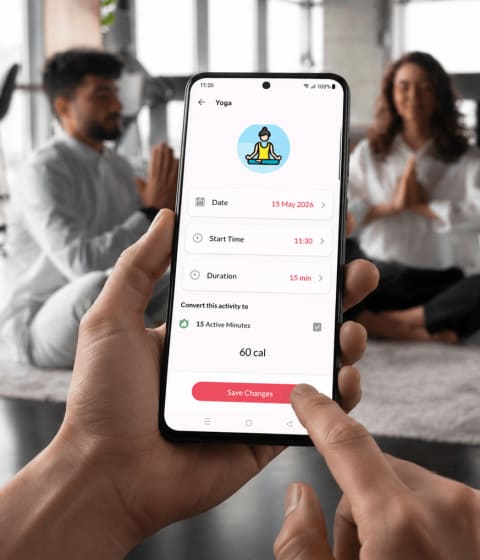
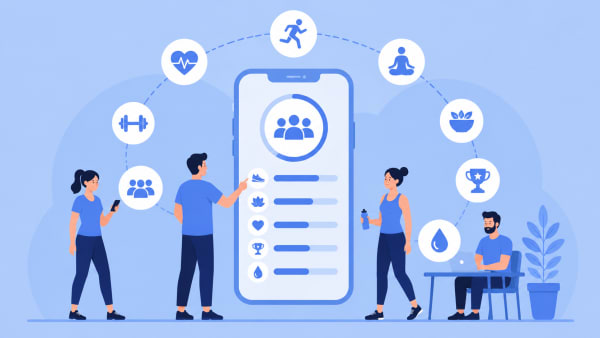
Digital wellness platforms like Vantage Fit automate workplace gratitude by combining templated streak challenges, daily mood logging, peer social feeds, and a curated library of 30+ guided mindfulness sessions into a unified mobile app.
Key Takeaways
- Gratitude elevates engagement: Daily appreciation practices foster workplace morale and cultivate psychological safety across teams.
- Structured 30-day timeline: A 30-day challenge provides sufficient duration to form sustainable habits without overwhelming participants.
- Low barrier to entry: Simple rituals like gratitude breaks, peer recognition notes, and reflection prompts take less than two minutes a day.
- Measurable wellness impact: Pairing gratitude with daily mood logging and digital wellness challenges turns qualitative appreciation into actionable organizational health data.
Why gratitude is an effective team building tool at work
Team-based gratitude challenges build psychological safety by shifting workplace interactions from purely transactional problem-solving to mutual recognition. When team members regularly acknowledge each other's support, it reduces interpersonal friction, strengthens social connections across hybrid and remote teams, and creates a more collaborative culture.

Unlike high-pressure team-building exercises, gratitude activities require zero athletic ability and minimal time, making them universally accessible. When colleagues exchange sincere acknowledgments, it creates a positive feedback loop that breaks down departmental silos and normalizes mutual appreciation.
Gratitude is not only the greatest of virtues but the parent of all others.
– Cicero
Participating in a structured wellness challenge helps team members pause during hectic workdays to acknowledge shared efforts.
It encourages employees to pay closer attention to their coworkers' contributions, cultivate mindfulness, and establish psychological trust across distributed offices.
5 proven benefits of practicing gratitude in the workplace
Practicing gratitude in the workplace improves employee retention, lowers stress levels, and fosters stronger interpersonal trust among coworkers.
Clinical research from Harvard Health Publishing demonstrates that gratitude practice strongly correlates with greater positive emotions, better sleep quality, and improved psychological resilience during demanding project cycles.

Neuroscience findings from the Greater Good Science Center at UC Berkeley show that practicing gratitude reduces toxic emotions like resentment and envy while stimulating neurochemical pathways associated with social bonding.
Here are five primary organizational benefits of introducing gratitude practices:
- Lower workplace stress and burnout: Taking brief moments to reflect on positive developments counteracts chronic cortisol spikes caused by high workloads.
- Improved employee retention: Recognition directly impacts loyalty; employees who feel genuinely valued are far less likely to seek outside opportunities.
- Enhanced team trust and psychological safety: Vulnerable, appreciative communication lowers interpersonal defensiveness and encourages creative problem-solving.
- Stronger cross-departmental collaboration: Acknowledging unsung support staff and cross-functional partners breaks down organizational silos.
- Measurable engagement lift: Pairing gratitude with daily mood logging provides leadership with real-time sentiment data.
Pairing a structured gratitude practice with mood tracking turns personal reflection into measurable team insights.
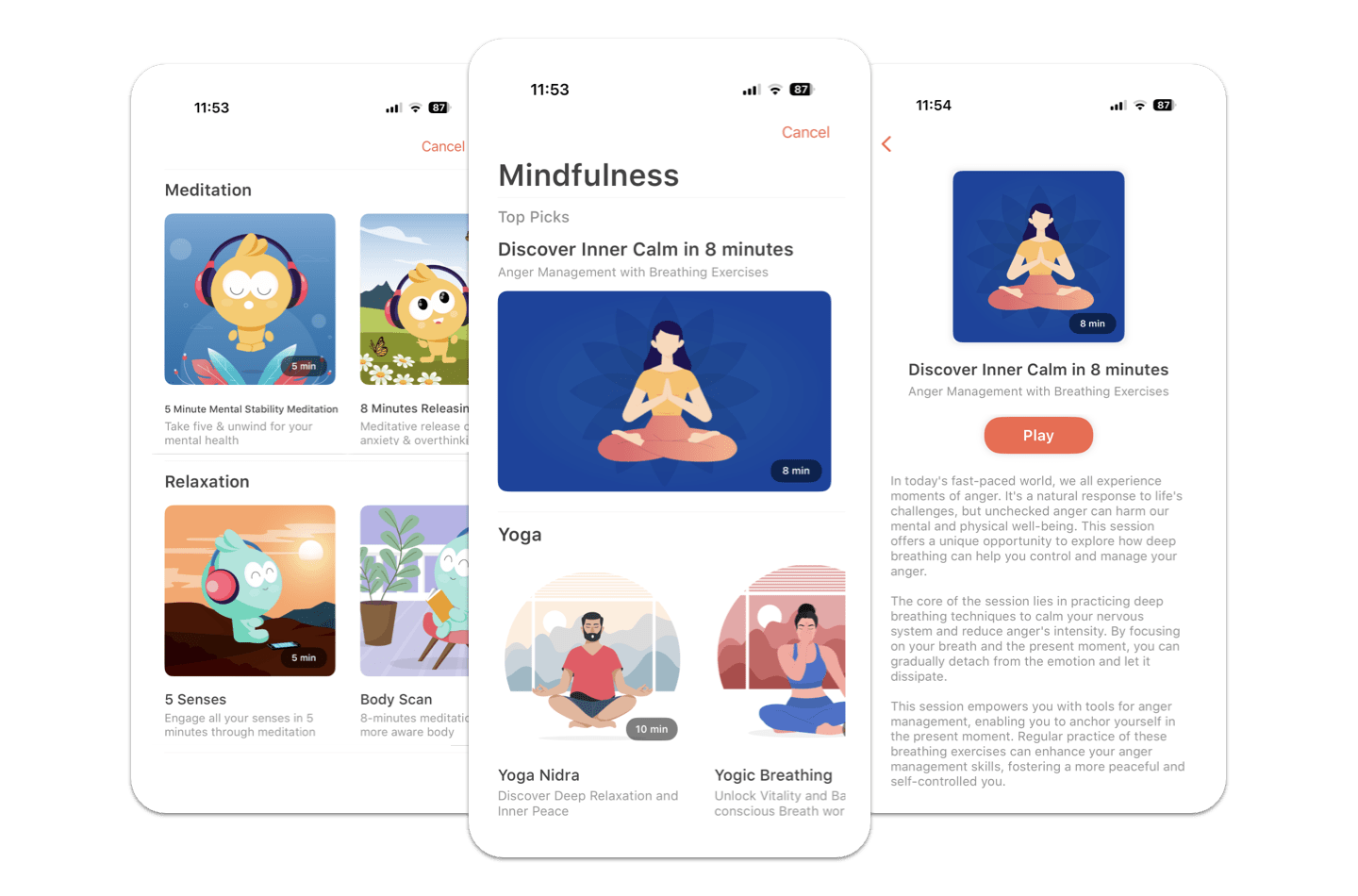
Rather than relying on static annual surveys, platforms like Vantage Fit allow employees to log daily mood sentiment, engage in 5-minute guided audio sessions, and celebrate teammates on a social recognition feed. Every completed reflection automatically logs as mindfulness minutes toward their overall wellness score.
This daily habit translates directly into workforce engagement. In IBS Software's 28-day March to Fitness challenge, 130 participants tracked their daily mood throughout the program, contributing to an 88% overall engagement rate.
Similarly, during the International School of Kuala Lumpur's (ISKL) 95%-participation wellness campaign, program coordinators highlighted the cultural impact:
"Many of our employees had never tried meditation. They enjoyed trying the different types of meditation as part of the wellness challenge. Colleagues also developed friendships because of the camaraderie of the Vantage Fit teams."
– International School of Kuala Lumpur (ISKL)
Suggested Read: 21 Positive Thinking Ideas For A Workplace To Encourage
What is the 30-day gratitude challenge?
The 30-day gratitude challenge is a month-long habit-building program where participants complete one small appreciation exercise or reflection each day. The 30-day timeframe provides enough repetition for habit formation while remaining approachable for busy teams with demanding schedules.
This challenge focuses on recognizing, verbalizing, and contemplating the colleagues, milestones, and daily resources you appreciate. It is simply 30 days where employees commit to practicing thankfulness without adding burdensome administrative tasks to their workday.
Being thankful is not always experienced as a natural state of existence, we must work at it, akin to a type of strength training for the heart.
– Larissa
A 30-day timeline is effective for several key reasons:
- Builds sustainable habits: Thirty consecutive days provide the neurological reinforcement needed for gratitude to become second nature.
- Encourages daily micro-pauses: It prompts employees to take one to two minutes out of their day to focus on positive contributions.
- Optimal duration: The practice is long enough to observe measurable improvements in mood while preventing burnout from overly lengthy campaigns.
- Manageable milestones: Daily prompts break large cultural goals into micro-actions that any employee can complete.
How do you start a gratitude challenge?
Starting a workplace gratitude challenge requires choosing a clear timeframe, selecting daily communication channels (such as Slack, Microsoft Teams, or a corporate wellness app), and providing simple reflection prompts.
Leadership participation and recurring calendar reminders ensure high initial adoption and consistent daily momentum across departments.

To maintain momentum throughout the month, implement these foundational steps:
- Set a daily reminder: Schedule a recurring calendar alert or automated push notification in the morning.
- Keep reflection accessible: Provide digital logs or physical cards so employees can write reflections quickly.
- Encourage leadership modeling: When team leaders publicly express gratitude, it gives psychological permission for the rest of the team to participate.
- Focus on consistency over perfection: Remind participants that brief, sincere reflections are more effective than elaborate essays.
| Week | Challenge Theme | Primary Focus | Example Activity |
|---|---|---|---|
| Week 1 | Personal Reflection | Individual milestones and daily positives | Log one small personal win and one helpful tool you relied on today |
| Week 2 | Peer Recognition | Coworkers and cross-functional partners | Send a direct appreciation note to a teammate who assisted with a project |
| Week 3 | Work Environment | Company culture, resources, and unsung helpers | Publicly acknowledge support staff or cross-departmental contributors |
| Week 4 | Growth & Community | Mentorship, lessons learned, and team resilience | Share a lesson learned from a challenge and thank the mentor who helped |
Suggested Read: 7 Ways to Overcome Social Challenges Affecting Behavioral Health in the Workplace
10 gratitude prompts and icebreaker questions for teams
Gratitude prompts are specific, guided questions designed to spark meaningful reflection and help employees articulate appreciation quickly during busy workdays. Using targeted prompts prevents generic acknowledgment fatigue and encourages team members to recognize varied contributions across work and well-being.

Here are ten practical gratitude prompts and meeting icebreakers you can distribute across in-office and remote teams:
- Who is one colleague you can consistently rely on when deadlines are tight?
- What small interaction or message made you smile during work today?
- Which software tool or resource made your daily tasks significantly easier this week?
- What recent team accomplishment or problem solved are you most proud of?
- What is one aspect of your physical or remote work setup that you appreciate?
- Who is a team member outside your immediate department that helped your workflow recently?
- What is a constructive piece of feedback or mentorship that helped you grow this quarter?
- What is a healthy habit or break routine that recharged your energy today?
- Which company wellness initiative or team tradition do you value most?
- What skill or strength did you apply today that you are thankful to have developed?
How to run a gratitude challenge at work: 10 team activities
Running an engaging gratitude challenge involves offering a variety of asynchronous and live activities so every personality type can participate comfortably. Combining digital shout-outs, interactive boards, short meeting icebreakers, and wellness app logging creates an inclusive experience for in-office, hybrid, and remote teams.

1. Introduce a gratitude break and meeting icebreaker
Dedicate two to three minutes at the start or end of recurring team meetings for attendees to share brief shout-outs.
For virtual teams on Zoom or Google Meet, prompt members to drop a 1-sentence appreciation in the chat. Acknowledging everyday support, prompt answers, or thoughtful assistance creates a positive meeting tone.
2. Organize a digital recognition campaign
Deploy an employee wellness platform like Vantage Fit or set up a dedicated gratitude channel on Slack or Microsoft Teams. A dedicated social feed enables employees across global time zones to share peer shout-outs, tag coworkers, and celebrate everyday contributions in real time.
Suggested Read: Vantage Fit: A Complete Solution to Your Employee Wellness Program
3. Host an appreciation hot seat exercise
During team retrospectives, quarterly reviews, or virtual coffee chats, allocate five minutes where one team member occupies the "appreciation hot seat" while colleagues share one specific quality or contribution they value about that person.
This structured exercise serves as a powerful connection builder for both in-person and remote staff.
4. Share handwritten cards or digital thank-you notes
Writing focused appreciation notes creates a memorable, tangible expression of gratitude. Providing employees with pre-designed digital e-cards or printed stationery encourages spontaneous peer-to-peer acknowledgment that brightens the workday.
5. Create a physical gratitude board or virtual gratitude wall
Set up an interactive gratitude board or "gratitude tree" in common office areas where employees post sticky notes with daily thank-you messages.
For distributed workforces, create a virtual gratitude wall using a shared whiteboard tool (like Miro or FigJam) where remote employees can pin notes, GIFs, and photos celebrating their peers.
Suggested Read: 101 Latest Employee Wellness Program Ideas To Create A Happy Workplace
6. Host guided mindfulness and reflection sessions
Incorporate brief guided meditation or breathing sessions into the weekly schedule. Through Vantage Fit's built-in mindfulness library, employees can access 30+ curated audio sessions: including 5-minute self-awareness tracks and 12-minute gratitude meditations.
Completed session minutes automatically sync to individual wellness profiles and challenge leaderboards.
Suggested Read: Corporate Meditation 101: 5 Proven Strategies to Boost Employee Wellness
7. Use team communication channels for daily appreciation
Create themed daily discussion threads on Slack or Teams (such as "Thankful Thursday" or "Shout-out Friday"). Team members can tag colleagues, share GIFs, and celebrate collaborative project wins in an informal setting.
8. Provide employees with guided gratitude journals
Offering digital or physical wellness journals gives employees a private space to record daily reflections. Journaling helps participants articulate thoughts clearly, track personal growth, and process workplace stressors constructively.
9. Encourage mindful walking and peer check-ins
Pair gratitude with physical wellness by encouraging employees to take 10-minute walking breaks with colleagues. Discussing weekly successes and positive highlights outdoors combines physical activity with meaningful social connection. Remote colleagues can schedule a 10-minute audio-only "walk and talk" call.
10. Incorporate random acts of kindness
Encourage employees to perform small, unsolicited acts of kindness throughout the challenge: bringing a favorite beverage to a coworker, offering help on a challenging task, or sending an encouraging note before a major presentation.
Frequently Asked Questions
What is a gratitude challenge at work?
A workplace gratitude challenge is an organized initiative where employees commit to daily practices of recognizing and appreciating colleagues, milestones, and positive experiences. It typically runs for 30 days and combines structured reflection prompts with peer recognition activities.
How do you start a 30-day gratitude challenge for remote and hybrid teams?
To start a 30-day gratitude challenge for distributed teams, establish clear weekly themes, provide simple daily prompts via Slack or Teams, launch a virtual gratitude wall, and ensure team leaders actively participate and model appreciation from day one.
What are the primary business benefits of workplace gratitude?
Workplace gratitude improves employee morale, reduces turnover, and enhances team collaboration. According to the American Psychological Association, 93% of employees who feel valued are motivated to perform their best, directly supporting engagement and organizational resilience.
What are good gratitude icebreaker questions for team meetings?
Effective gratitude icebreakers include: "Who is one coworker who helped you this week?", "What work resource made your day easier?", and "What recent accomplishment are you most proud of?" These questions spark quick, positive sharing.
Can digital wellness apps help track workplace gratitude?
Yes. Digital platforms like Vantage Fit automate challenge delivery with pre-built streak templates, daily push notifications, mood logging, and 30+ guided mindfulness sessions. Completed activities automatically sync to employee wellness profiles, giving HR real-time visibility into participation.
Summing it up
"The deepest craving of human nature is the need to be appreciated."
– William James
A basic human need, feeling valued and appreciated is something that everyone wants to experience. When that need is satisfied, both employees and companies benefit.
Through gratitude, challenge leaders and fellow employees can recognize and prioritize the efforts they make to consistently show their gratitude to others and further cultivate a gratitude culture in the workplace.
I hope this article helped you understand the importance of launching a gratitude challenge in the workplace and how to go about achieving it.