
Healthy office habits are small, repeatable daily routines that protect physical and mental wellbeing during the workday through regular movement, proper hydration, ergonomic posture, and structured mental breaks. According to a PMC occupational health review, modern office workers spend over 78% of their workday seated, significantly increasing cardiovascular and musculoskeletal risks.
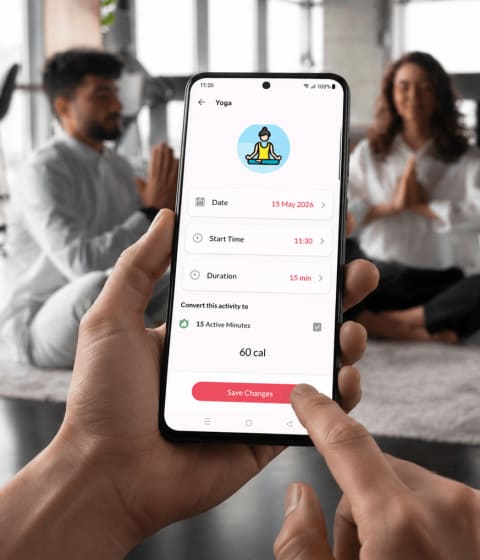
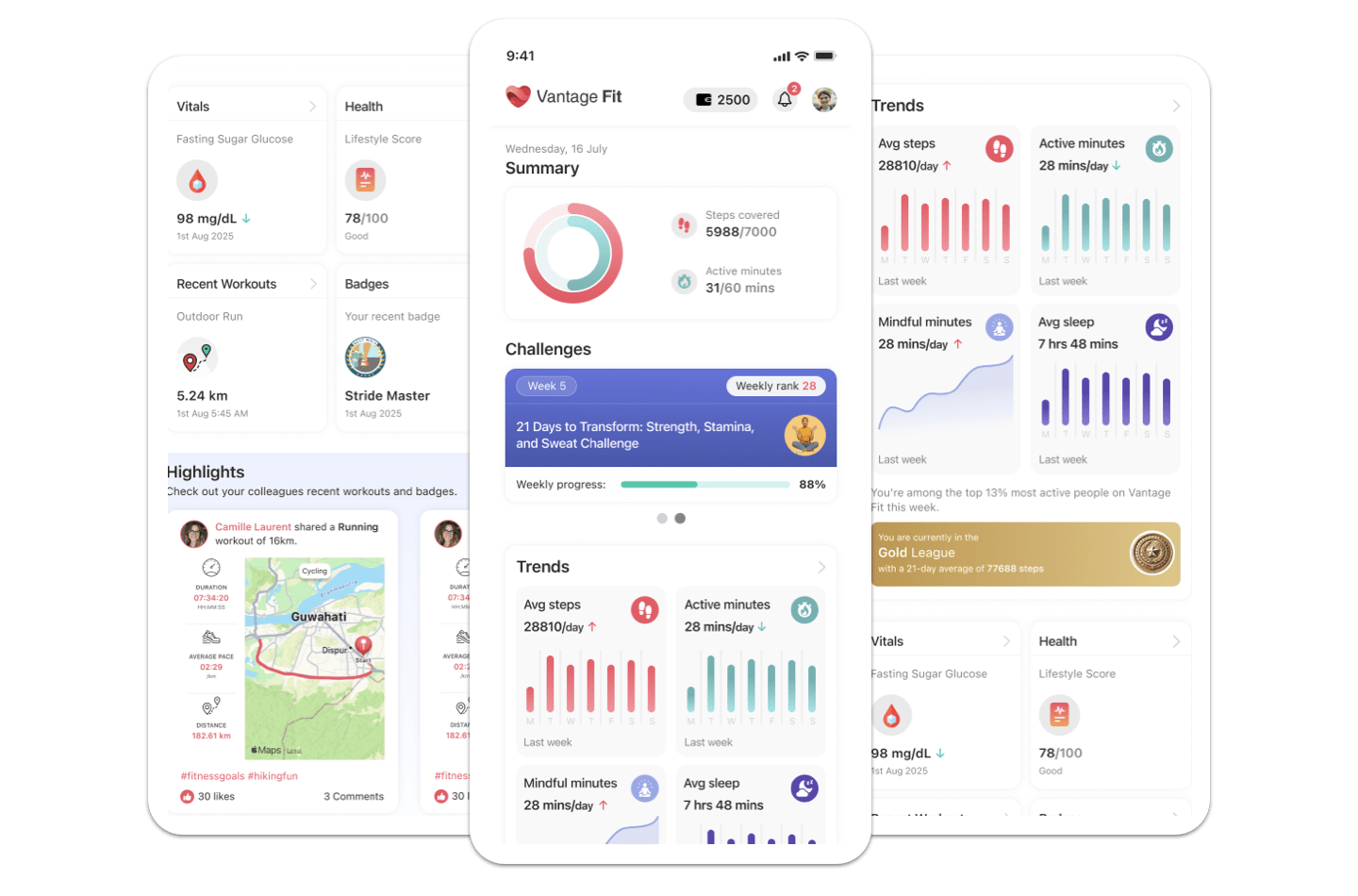
Vantage Fit is an enterprise corporate wellness platform that helps organizations embed healthy daily habits through automated step tracking, active minute reminders, hydration logs, and team wellness challenges.
KEY TAKEAWAYS
- Healthy office habits fall into five core areas: daily movement, nutrition and hydration, workspace focus, rest and recovery, and stress management.
- Prolonged sitting represents the largest health risk for desk workers; breaking sedentary time with micro-stretches and walking meetings significantly reduces strain.
- Consistent energy requires smart dietary habits: pre-packed whole-food lunches, nutrient-dense snacks, and adequate water intake over excessive caffeine.
- Intentional recovery (short breaks, boundary-setting, and power naps) prevents burnout and sustains long-term mental clarity.
- Structured team challenges drive sustained habit adoption, as seen in Brazosport ISD where 132 employees averaged 6,000+ daily steps using Vantage Fit.
Heading into 2026, remote and hybrid employees face even higher rates of sedentary time than traditional in-office staff. Daily habits are where workplace wellbeing actually takes hold.
Here are 20 actionable healthy office habits grouped across five essential categories to help you stay energized, productive, and healthy at work.
How Can You Move More Throughout the Workday?
Sitting for hours is the biggest health cost of desk work. These habits break up inactivity and keep your body engaged without needing a dedicated workout.
The payoff is measurable. A 2025 umbrella review of workplace interventions found that self-monitoring paired with simple prompts added roughly 1,000 steps a day, proof that small, tracked nudges add up.
1. Don't stiffen up; make sure you move and exercise
Hours of consistent sitting in front of your workstations may be bad for your posture. It can cause your back, legs, and body to lose the tone and agility they need.
Set a reminder on your phone to get off your chair and move or stretch every 30 minutes.
You can take calls on your phone or attend phone meetings while walking to burn calories.
2. Maintain proper posture
Sitting in front of the computer for long periods can affect your posture and might create problems in the long run.
Make sure your posture is correct while working and get up occasionally. To prevent back, neck, and wrist strain, you can use an ergonomic desk, chair, and screen setup.
Bad posture is also known to reduce productivity and prevent concentration. Hence, make sure you have a proper posture to maintain productivity and stay energized at work.
Also Read : 10 Best Tips for Proper Sitting Posture at Work
3. Schedule Walking Meetings
To stay active, replace traditional sit-down meetings with walking meetings. This habit helps reduce stress, boost creativity, and ensure your body stays engaged even during work hours.
It's an excellent way to break the monotony while sticking to your work routine.
4. Make Use of the Staircase

Taking the stairs whenever possible adds an easy workout to your day. It helps you stay mobile, build endurance, and reduce stress from inactivity.
Small actions like these ensure you follow healthy work habits. That, too, without dedicated workout sessions.
Also Read: How To Organize a Stair Climbing Challenge At Work?
5. Encourage Yourself to Do Office Exercises
Incorporate light exercises such as stretching or desk yoga throughout your day.
These small movements help you stay active and maintain healthy office habits. Ensuring your body and mind remain energized.
You can check out : 42 Easy Office Exercises You Can Do At Your Desk To Stay Fit
How Do You Maintain Healthy Nutrition and Hydration at Work?
What you eat and drink at your desk shapes your energy and focus across the whole day. These habits keep fuel steady and avoid the mid-afternoon crash.
6. Make your lunches

Proper nutrition starts with knowing what and how often you eat. Knowing your dietary intake is one of the first steps to maintaining a healthy lifestyle.
The rush, laziness, and the "bad" influences of food can drag you systematically to a diet that does not benefit you. Enjoy life, sweeten and spice it up as much as you like, but don't fall into a dynamic of neglect with food.
Find a way to eat a healthy diet on most days. Try to make your lunches and reduce take-outs or ordering in lunch.
You can also check out 51 Healthy Snacks For Work To Lose Weight And Stay Healthy
7. Snack on healthy munchies
The most common habit that employees tend to take up is munching on snacks that their co-workers nicely place on their desks. This can add a few hundred calories to your daily diet if you're not careful, and they can leave you with unwanted pounds if you help yourself day after day.
Opt for fruits, nuts, or yogurt instead of sugary snacks to maintain energy without crashes. You should also practice mindful eating to keep track of your portions.
8. Stay Hydrated throughout the day
Staying hydrated is essential for maintaining energy and focus. Keep a water bottle at your desk as a reminder to drink water throughout the day.
Proper hydration supports mental health by reducing fatigue and headaches. It also helps you stay alert and productive during work hours.
Check out: Water Challenge at Work: A Step towards a Healthy Lifestyle
9. Cut Down on Caffeinated Beverages
While coffee is a quick energy fix, too much caffeine can lead to burnout and sleep problems.
Opt for herbal teas or infused water to stay refreshed and hydrated without the jitters. Moderating caffeine intake helps you maintain long-term mental health and focus.
Building these habits individually is a great start, but Vantage Fit makes it easier to sustain them as part of a structured program.
Through step tracking, active minutes logging, mood check-ins, and hydration reminders, Vantage Fit turns everyday healthy behaviors into trackable progress. Organizations can also run step challenges and streak challenges that reinforce habits like daily movement and mindfulness across the entire team.
In Brazosport ISD's 2-week Fit Wars campaign, 132 employees averaged 6,000+ daily steps and saw average BMI improve from 30 to approximately 27, a measurable shift in preventive health outcomes that came from structured, day-by-day activity tracking rather than one-off initiatives.
How Can You Protect Your Focus and Optimize Your Workspace?
Distraction and clutter drain mental energy just as much as physical strain. These habits keep your attention and your surroundings clear.
10. Practice Smart Computer Habits

Working in front of screens for long periods can strain your eyes and affect your posture. To prevent fatigue, adjust screen height, lower brightness, and take regular breaks.
Follow the 20-20-20 rule to protect your vision and maintain focus, ensuring better mental health throughout the day.
11. Clean and Organize Your Workspace
A tidy workspace creates a calm environment, promoting focus and reducing unnecessary stress.
Organizing your desk regularly helps you maintain healthy habits and makes it easier to stay on top of tasks.
12. Avoid Using the Phone During Work
Minimize phone usage to stay focused on tasks. Constant notifications can break your concentration. The use of social media during work hours is essential.
This practice ensures your work routine remains efficient and supports better mental health.
Why Is Rest and Recovery Essential for Workplace Productivity?
Sustained focus depends on regular recovery. These habits build breaks and downtime into your routine so you avoid burnout.
13. Take Short Breaks

Taking short breaks allows you to reset and stay productive.
Stepping away from your desk prevents mental fatigue. It helps you manage energy levels effectively and stick to your work routine.
Also Read : 8 Awesome Ideas For Brain Breaks For Adults
14. Practice Taking Power Naps

If possible, take a quick 15- to 20-minute nap to recharge.
Power naps are an effective way to refresh your energy and prevent burnout, contributing to mental and physical well-being.
15. Carve Out Some Personal Time
Make time for yourself outside work to engage in activities you enjoy.
Whether you read, exercise, or just relax, personal time helps you maintain healthy habits and prevent burnout over the long term.
16. Take a Vacation

Taking time off is crucial for maintaining overall well-being. A vacation lets you step away from work, recharge, and return with renewed energy.
Regular breaks from work prevent burnout and enhance mental and physical health. It ensures you stay motivated over the long term.
How Do You Manage Workplace Stress and Stay Connected?
Well-being at work is social and emotional too. These habits lower stress and strengthen the relationships that make the workday better.
17. Socialize
Engaging with your colleagues boosts morale and strengthens connections.
Healthy workplace interactions enhance teamwork and reduce stress. This contributes to better mental health and a positive work atmosphere.
18. Be Appreciative of Your Co-Workers
Recognizing and appreciating your co-workers creates a positive work environment.
Small acts of appreciation foster teamwork. This reduces workplace stress and builds stronger professional relationships. Acknowledging others' efforts also boosts morale.
19. Invest in a Stress Relief Toy

A stress relief toy on your desk can help you stay calm during overwhelming moments.
Fidgeting with a toy or squeezing a stress ball can help you manage anxiety and reduce stress effectively. These small tools can help you stay grounded throughout the day.
Suggestive Read : 47 Unique Stress Management Activities for Employees
20. Meditate Between Tasks
Short meditation sessions between tasks help you reset your mind and improve focus. A few minutes of deep breathing or mindfulness can lower stress levels, supporting better mental health.
Meditation is a powerful tool to enhance your productivity and keep you centered. For a broader approach to managing workplace stress, a structured stress management program can support your whole team.
Also Read - 13 Mindfulness Exercises to Improve Employee Well-being at Work
Case Study: IBS Software ran a 28-day holistic wellness campaign through Vantage Fit, covering physical activity, nutrition, hydration, and mental wellness. The result: 88% employee engagement, 17% above industry benchmark. See how they did it.
Conclusion
Incorporating these 20 healthy office habits into your daily life can improve your well being. This will also boost productivity and will make the workdays more enjoyable.
These steps are small but meaningful changes. For example, taking breaks, staying active, reducing stress, and maintaining positive relationships. It can help you stay energized and productive without overhauling your lifestyle.
Practicing these habits will enhance your mental health, reduce burnout, and make you feel motivated daily.
Read more on: Wellness Challenges: Types, Benefits, and How to Run One at Work
Frequently Asked Questions
What are healthy work habits?
Healthy work habits are small, consistent practices that promote physical and mental well-being in the workplace. These include staying active, taking breaks, eating healthy, reducing stress, and limiting distractions.
Why is it important to be healthy at work?
Maintaining good health at work enhances productivity, reduces stress, and prevents burnout. It ensures you can perform efficiently, maintain focus, and enjoy a positive work environment.
How can you be healthy working in an office?
To stay healthy in an office, build healthy habits into your day. Examples include moving frequently, eating nutritious snacks, staying hydrated, and practicing good posture.
What are some healthy habits when working from home?
Healthy habits while working from home include setting a work schedule. Practice mindfulness daily, set work-life boundaries, and stay socially connected to prevent burnout and isolation. Balancing personal and professional life is also crucial to long-term well-being.