
Selling a corporate wellness program to leadership requires framing employee wellbeing as a strategic business investment tied to measurable financial returns, risk mitigation, and workforce retention. While HR teams understand cultural benefits, executives evaluate proposals on cost containment, productivity gains, and strategic alignment. A landmark Harvard Business Review study revealed that comprehensive wellness initiatives return up to $2.71 in healthcare savings for every dollar spent.
Vantage Fit is a corporate wellness platform designed for enterprise organizations of 500 to 10,000+ employees that equips HR leaders with real-time participation tracking, automated wellness challenges, and executive-ready ROI analytics.
KEY TAKEAWAYS
- Executive buy-in requires framing wellness as a financial and operational investment rather than an optional employee perk.
- Proving ROI through healthcare savings, reduced absenteeism, and lower turnover gives leadership the hard numbers they need to release budget.
- Proposing an 8-to-12-week pilot program lowers perceived financial risk and generates workforce participation data before full-scale investment.
- Establishing real-time tracking with clear KPIs (engagement, retention, claim reductions) builds long-term executive confidence.
- Aligning wellness initiatives directly with strategic corporate goals positions the program as an enabler of company performance.
This guide explains how to sell corporate wellness programs to leadership using data, real examples, and practical strategies. You will learn how to build a compelling business case, address common objections, and present a plan that positions employee wellbeing as a driver of business results.
Why Does Leadership Hesitate to Approve Wellness Programs?
Executives hesitate to approve wellness initiatives primarily due to budget competition, unproven ROI, and past experiences with low participation. Leaders are accountable for capital allocation and view wellness as discretionary spending unless proposals demonstrate quantifiable business returns and risk mitigation.
Budget pressure is one of the primary barriers. Leadership teams must allocate resources across multiple strategic initiatives, and wellness programs may be viewed as discretionary spending unless tied directly to business performance. Without clear financial justification, proposals can be deprioritized.
Another concern is the difficulty of measuring impact. Executives want to know how the program will influence productivity, healthcare costs, absenteeism, and retention. Vague claims about improving morale or reducing stress rarely satisfy decision makers who require quantifiable results.

Past experiences can also shape skepticism. If previous initiatives had low participation or unclear outcomes, leaders may assume new programs will produce similar results. According to CDC workplace health guidelines, traditional wellness programs often struggle with participation rates under 30% when engagement strategies and mobile accessibility are lacking.
Finally, leadership teams focus on risk management. They want assurance that the program will be implemented efficiently, adopted by employees, and aligned with organizational goals. Without a clear plan, wellness proposals appear uncertain compared to capital investments with predictable returns.
Understanding these concerns allows HR leaders to address objections proactively and position wellness as a strategic solution rather than an optional benefit.
How Do You Build a Business Case Leadership Understands?
Building an executive-ready business case requires translating wellness outcomes into core financial metrics: turnover reduction, healthcare claims containment, and productivity gains. Framing the proposal around measurable operational savings demonstrates that investing in employee health actively protects the bottom line.
One of the strongest arguments involves the cost of employee turnover. Replacing an employee can cost between $15,000 and $25,000 depending on role, recruitment expenses, and lost productivity. Programs that improve engagement and job satisfaction can reduce attrition and protect institutional knowledge. Research consistently shows that wellness programs and employee retention are closely linked, with wellbeing initiatives among the top factors influencing whether employees stay.
Healthcare costs also represent a major expense for organizations. Preventive wellness initiatives can lower long-term claims by encouraging healthier lifestyles, early intervention, and better chronic condition management. Studies suggest that employees who engage in regular physical activity experience fewer sick days and lower medical costs over time.
Productivity gains provide another compelling angle. Healthier employees tend to demonstrate higher energy levels, improved focus, and reduced absenteeism. Even modest improvements across a large workforce can translate into significant operational benefits.

Leadership teams also value risk reduction. Burnout, stress, and disengagement can lead to errors, safety incidents, and decreased performance. A structured wellness program signals that the organization is proactively addressing these risks.
To strengthen the business case, HR leaders should translate wellness outcomes into metrics executives already track, such as:
- Reduced absenteeism rates
- Lower turnover percentages
- Improved productivity indicators
- Decreased healthcare spending
- Higher employee engagement scores
Presenting wellness as a driver of measurable performance outcomes helps leadership view the proposal as a strategic initiative that supports long-term organizational success. For a full framework on structuring your pitch, see our guide to writing a corporate wellness program proposal.
How Can You Use Data and Case Studies to Strengthen Your Pitch?
Using third-party benchmarks and verified case studies proves that your wellness proposal is based on validated commercial outcomes rather than theoretical benefits. Concrete participation data and peer comparisons reassure executives that the program will achieve widespread employee adoption.
Participation metrics are especially persuasive because engagement is often the biggest concern. During a structured team wellness challenge, Wipro increased participation from 163 employees to over 550 participants, representing nearly a threefold increase. This type of evidence reassures leaders that well-designed programs can achieve broad adoption across the workforce. Platforms that use gamification for employee fitness and corporate wellness consistently outperform traditional programs because they tap into motivation through points, leaderboards, and friendly competition.
Similarly, IBS Software reported engagement levels of approximately 88 percent during a multi-activity wellness initiative, significantly higher than typical participation benchmarks for traditional programs. High engagement indicates that employees are actively using the program, which increases the likelihood of meaningful health and productivity improvements.
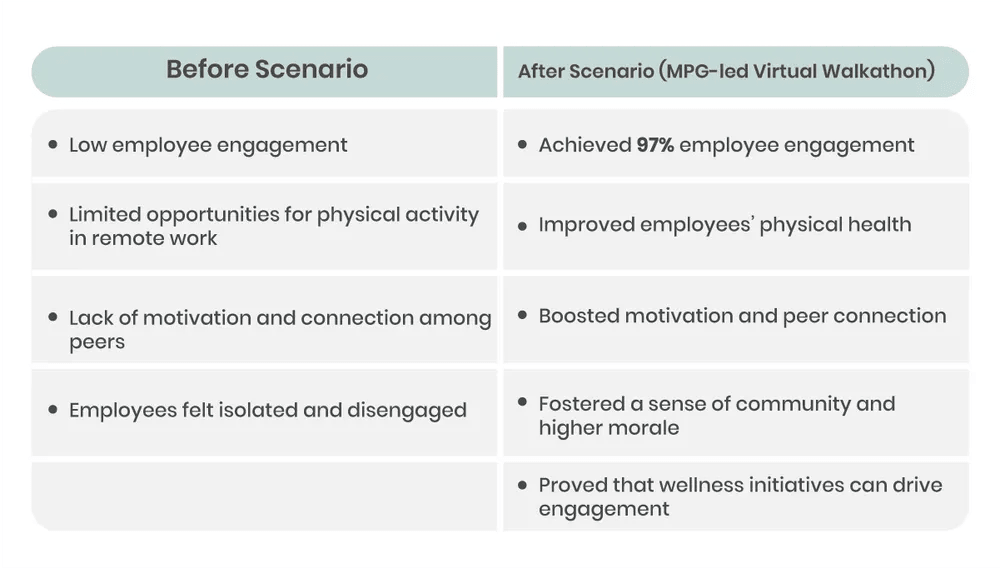
Case studies also help leadership visualize implementation. Instead of abstract promises, they show how programs operate in real organizations, what outcomes were achieved, and how success was measured. This reduces perceived risk and builds confidence that the initiative can be executed effectively.
When presenting data, HR leaders should focus on metrics that align with executive priorities, such as:
- Participation and engagement rates
- Improvements in employee activity levels
- Reductions in absenteeism
- Retention improvements
- Employee satisfaction scores
Platforms such as Vantage Fit make it easier to generate these insights by tracking participation, activity data, and engagement trends through centralized dashboards. Presenting real metrics from a pilot or comparable organizations can transform a proposal from theoretical to evidence based.
Suggested Read: How to Run an Effective Wellness Challenge at Work
Why Should You Start with a Pilot Program Instead of a Full Rollout?
Proposing an 8-to-12-week pilot program limits upfront financial commitment while generating direct, internal proof of employee engagement and operational feasibility. A controlled pilot provides executive leadership with baseline metrics and employee testimonials before committing to an enterprise-wide contract.
Pilot programs typically focus on a single department, location, or volunteer group over a defined period such as 8 to 12 weeks. This approach makes the initiative manageable while still generating meaningful insights into participation, engagement, and operational impact.
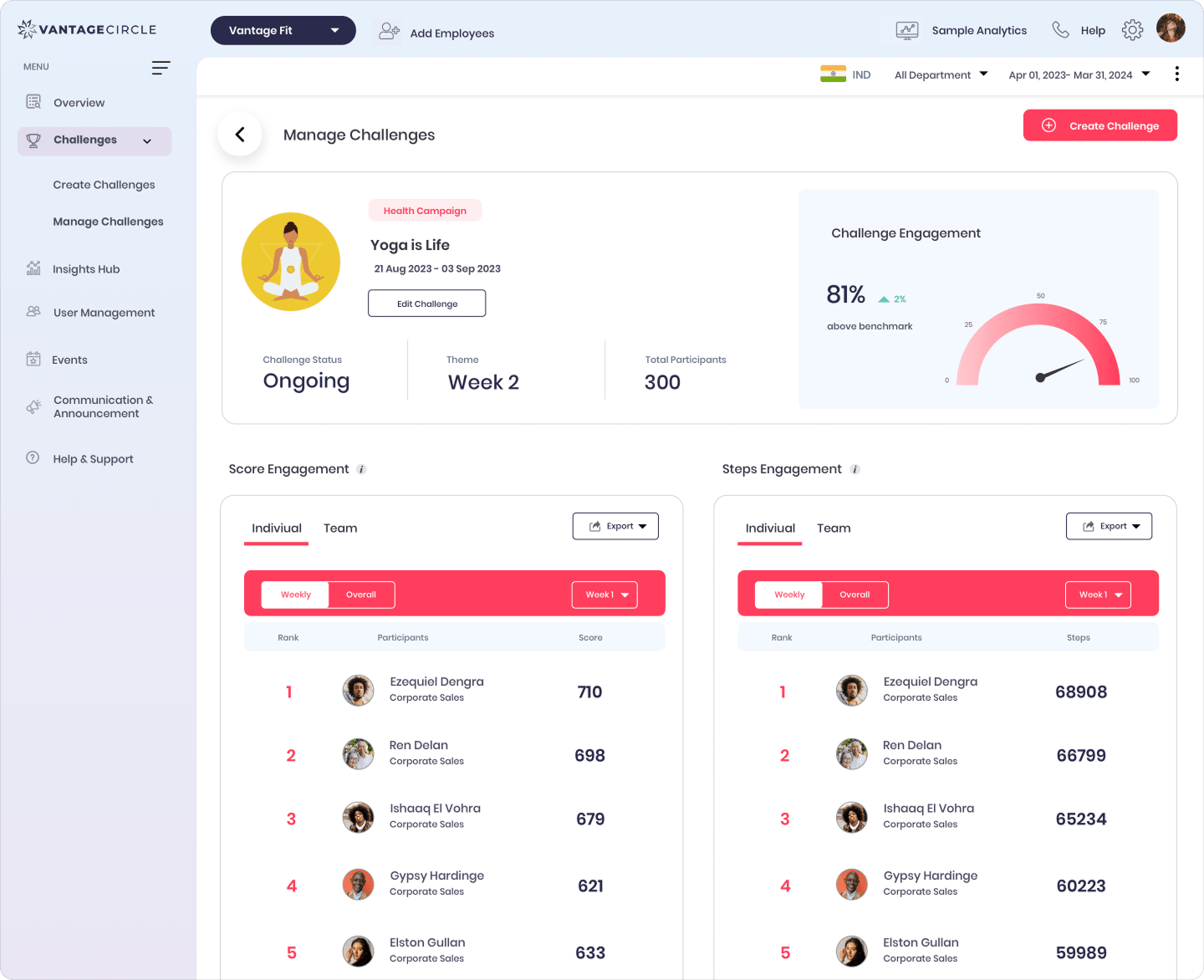
A well-designed pilot should include clear objectives and measurable success criteria. For example, HR teams might track participation rates, activity levels, employee feedback, and changes in absenteeism during the pilot period. Establishing these metrics in advance helps leadership evaluate results objectively.
Using a structured wellness platform can simplify pilot execution. Tools like Vantage Fit enable organizations to launch challenges, monitor engagement in real time, and collect data automatically without creating additional administrative burden. This makes it easier to demonstrate outcomes and build a case for scaling the program.
One especially effective format for a pilot kickoff is a team-based event. Office Olympics, a structured multi-activity wellness competition, are widely used by organizations to launch wellness programs because they drive high initial participation, build team cohesion, and generate excitement that sustains engagement into longer-term initiatives.
Pilot programs also create internal success stories. Employees who experience benefits firsthand often become advocates, which increases participation when the program expands.
By positioning the initiative as a controlled experiment rather than a permanent commitment, HR leaders can reduce perceived risk and make approval far more likely.
How Do You Address Budget Concerns with Clear ROI Metrics?
Addressing budget objections requires demonstrating that wellness programs generate cost offsets through lower absenteeism, reduced health claims, and improved retention. Presenting a conservative ROI model showing $1.50 to $3 returned per dollar spent transforms wellness from a line-item expense into a cost-saving measure.
A dedicated analysis of the ROI on wellness programs shows that well-structured initiatives consistently return $1.50 to $3 for every dollar spent through reduced healthcare costs and improved productivity.
Healthcare expenses provide a strong starting point. Preventive wellness initiatives can reduce long-term costs by encouraging healthier behaviors, early detection of health risks, and better management of chronic conditions. Research indicates that even moderate increases in physical activity can lead to fewer sick days and lower medical claims over time.
Absenteeism also has a direct financial impact. Employees who maintain healthier lifestyles tend to miss fewer workdays due to illness. Studies suggest that individuals who engage in regular exercise can take several fewer sick days per year, which translates into improved productivity across the organization.
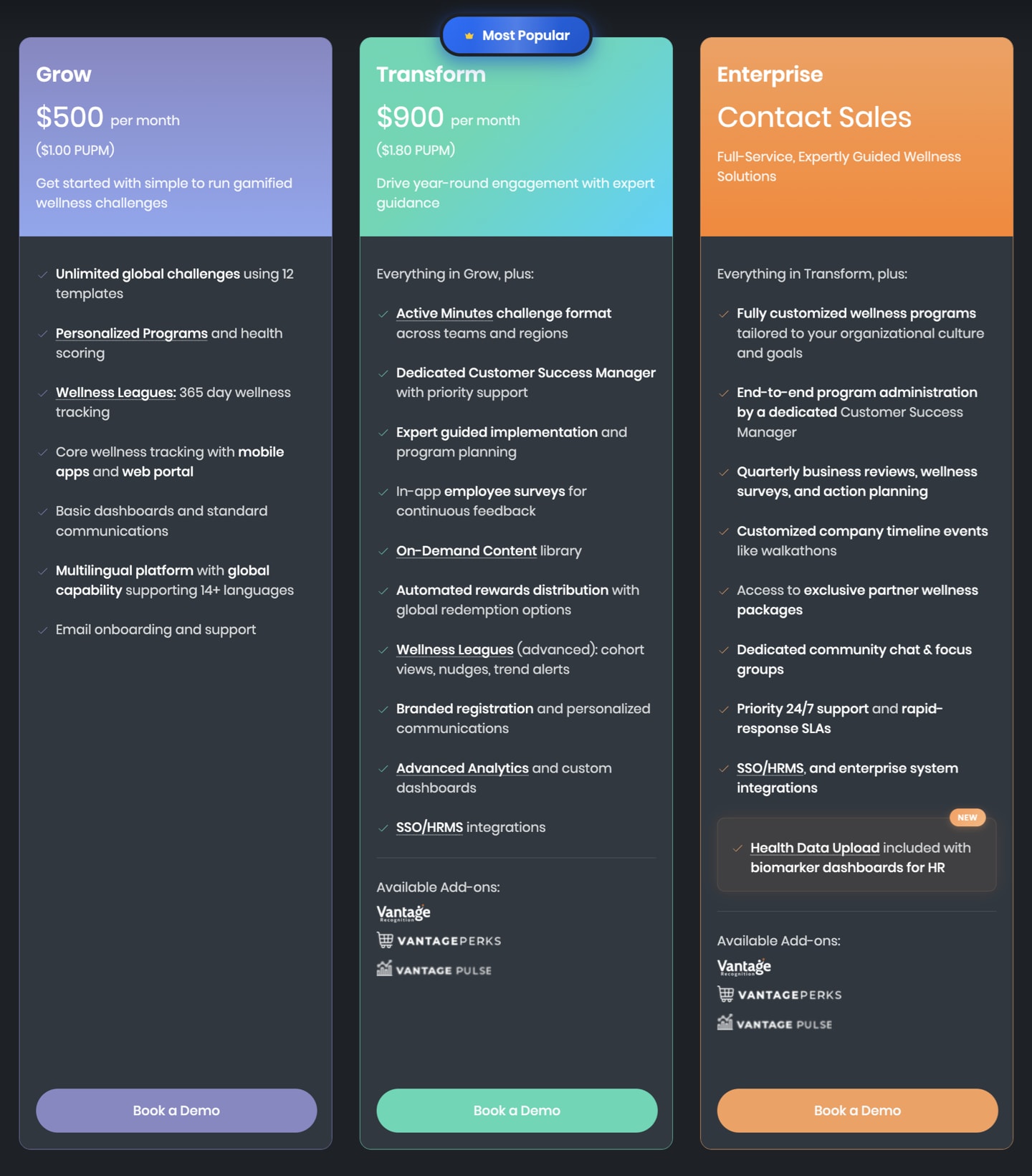
Retention improvements can further offset program costs. When employees feel supported and valued, they are more likely to remain with the organization. Given that replacing an employee can cost tens of thousands of dollars, even small reductions in turnover can produce significant savings.
To make ROI tangible, HR teams should present a clear comparison of projected costs and potential benefits. Useful metrics include:
- Estimated healthcare savings per employee
- Reduction in absenteeism costs
- Retention improvements
- Productivity gains
- Employee engagement increases
When leaders see wellness framed as a cost-control and performance strategy rather than an optional benefit, approval becomes far more likely.
How Will You Measure and Report Wellness Program Success?
Measuring success requires establishing baseline KPIs before launch and providing scheduled monthly or quarterly reporting dashboards to executives. Tracking quantifiable metrics like participation rates, step counts, absenteeism shifts, and employee satisfaction ensures continuous transparency and accountability.
HR leaders should identify key performance indicators that align with business priorities. Common metrics include participation rates, engagement levels, absenteeism trends, employee satisfaction scores, and retention data. For a full breakdown of what to track, see our guide to employee wellbeing metrics. Tracking these indicators over time helps determine whether the program is delivering meaningful impact.
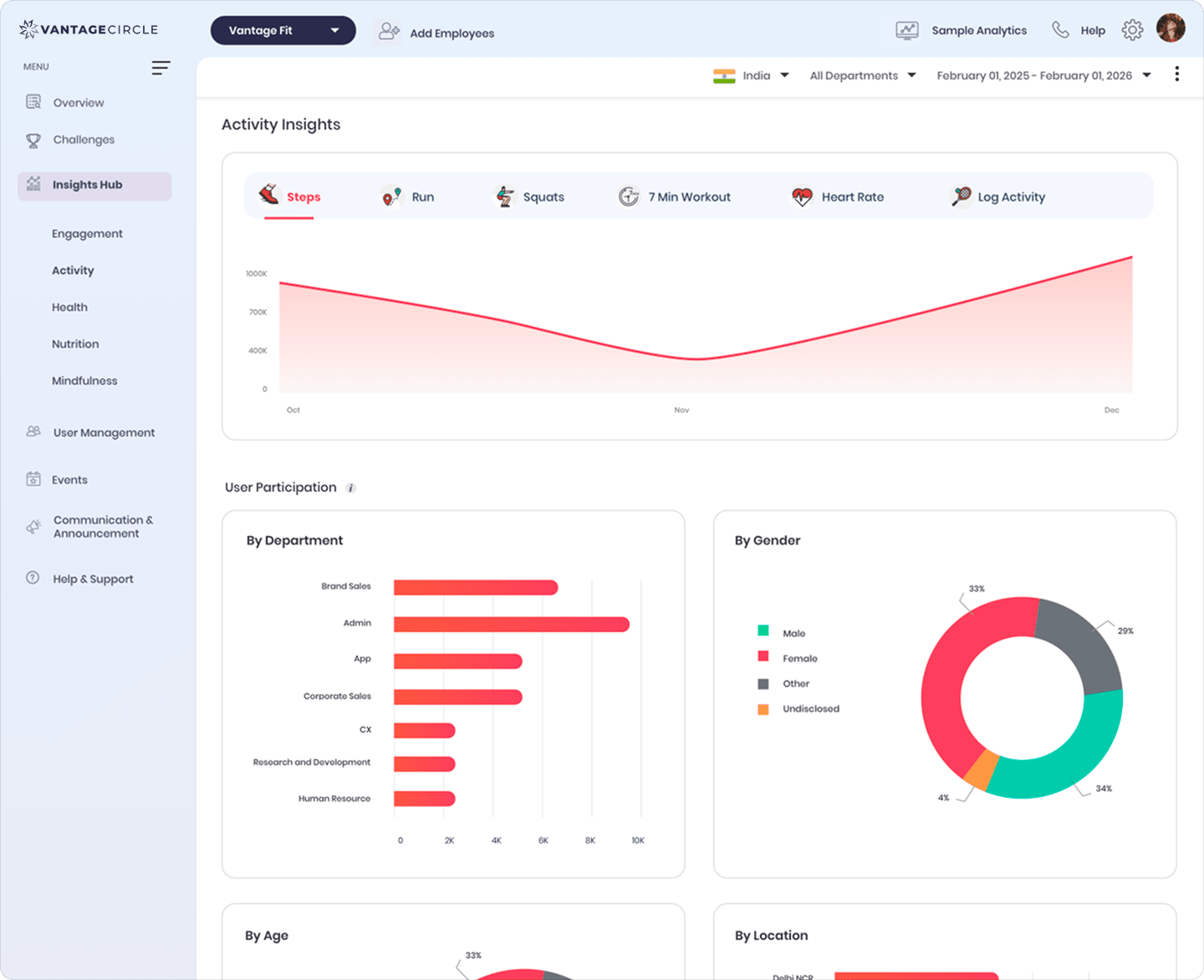
Regular reporting is important. Executives expect visibility into progress, not just a final summary. Monthly or quarterly updates allow leadership to monitor trends, assess effectiveness, and make informed decisions about continuation or expansion.
Technology can significantly simplify measurement. Platforms such as Vantage Fit provide real-time dashboards that track participation, activity levels, challenge completion, and reward redemption. These insights enable HR teams to present concrete evidence of engagement and outcomes without manual data collection.
In addition to quantitative data, qualitative feedback should also be included. Employee surveys, testimonials, and participation stories help leadership understand how the program influences morale, culture, and workplace satisfaction.
By presenting a clear measurement framework, HR leaders show that the initiative will be managed strategically and evaluated rigorously, increasing confidence in the proposal.
How Do You Align Wellness Programs with Strategic Business Goals?
Aligning wellness with corporate strategy means linking program objectives directly to organizational priorities like talent retention, burnout mitigation, or workplace safety. When wellness initiatives serve existing corporate OKRs, leadership views them as essential strategic enablers.
For example, if the organization is focused on reducing burnout or improving employee engagement scores, the proposal should explain how wellness activities will address those specific challenges. If safety and operational reliability are priorities, emphasizing physical fitness, fatigue reduction, and mental resilience can strengthen the case.
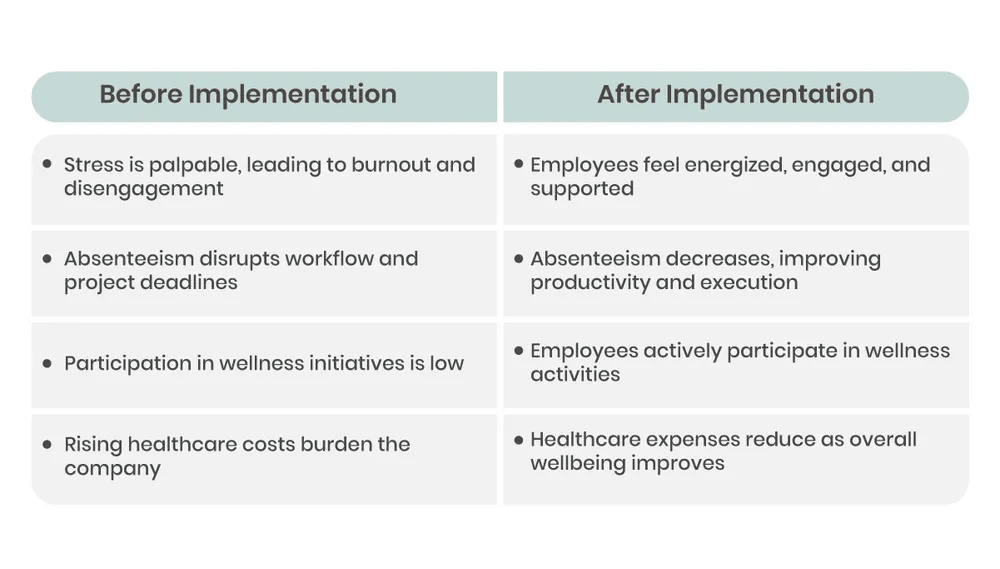
Linking the program to talent strategy is also important. Competitive benefits packages help attract and retain skilled employees, particularly in industries where turnover is high. Demonstrating how wellness initiatives support employer branding and employee satisfaction can resonate strongly with leadership.
HR leaders should also align wellness goals with existing performance indicators. For instance:
- Improving engagement survey results
- Reducing absenteeism or presenteeism
- Enhancing productivity metrics
- Supporting diversity and inclusion initiatives
- Strengthening organizational culture
When wellness initiatives are positioned as enablers of broader business objectives, they are viewed as strategic investments rather than optional add-ons. For more ideas on designing programs that align with company goals, explore our guide to corporate wellness events.
What Should a Leadership-Approved Implementation Plan Include?
A leadership-approved implementation plan includes a phased timeline, vendor selection criteria, administrative resource requirements, and risk mitigation protocols. Clarifying timelines and automated platform workflows reassures executives that program rollout will not disrupt core operations or overload HR staff.
The plan should outline the rollout timeline, key milestones, responsibilities, and communication strategy. Breaking the process into phases helps leaders visualize how the program will unfold and reduces concerns about disruption to daily operations.

A typical implementation roadmap may include:
- Planning and program design
- Vendor or platform selection
- Pilot launch
- Employee onboarding and communication
- Ongoing engagement activities
- Performance monitoring and reporting
It is also important to clarify administrative requirements. Leadership may worry about additional workload for HR teams, so explaining how processes will be streamlined can address this concern. Automation tools, predefined challenge templates, and centralized reporting can significantly reduce manual effort.
Risk mitigation should be part of the plan as well. HR leaders should explain how potential issues such as low participation, budget constraints, or technical challenges will be handled.
Providing a structured roadmap reassures leadership that the program is not only beneficial but also feasible to implement successfully.
How Vantage Fit Helps You Execute and Prove Results
Executing a successful wellness program requires automated administration and clear analytics that remove burden from HR teams. Vantage Fit combines customizable fitness challenges, health tracking, and rewards into a single enterprise platform with centralized executive reporting.
Vantage Fit supports end-to-end program management, from launching wellness challenges to tracking participation and outcomes. Organizations can run step challenges, fitness initiatives, mindfulness activities, or custom campaigns tailored to their workforce. Automated tracking reduces manual effort while ensuring data accuracy.
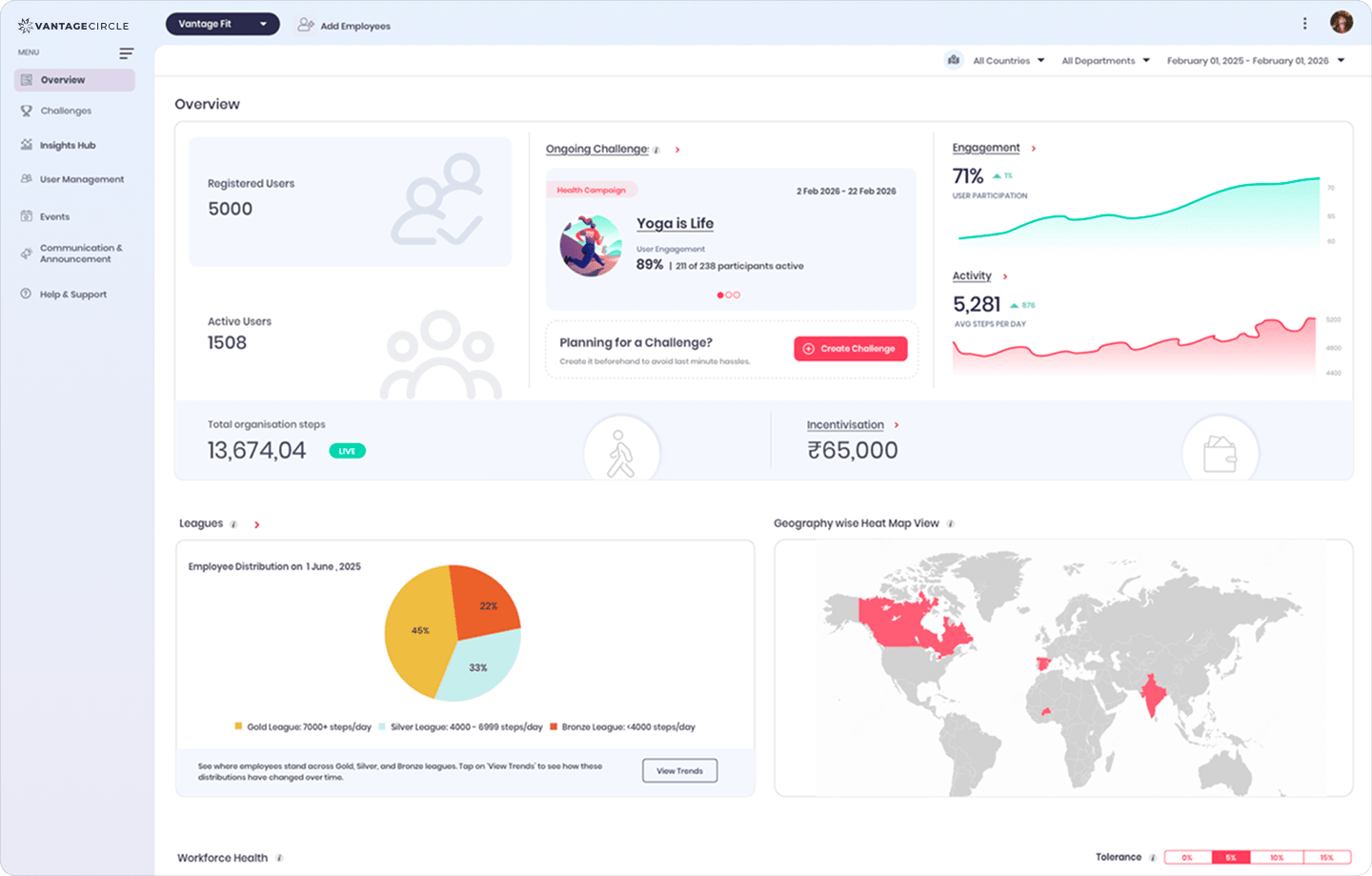
Real-time dashboards provide visibility into participation levels, activity trends, and engagement across teams or locations. This transparency allows HR leaders to share concrete progress updates with executives and demonstrate how the program is performing against defined success metrics.
The platform also incorporates rewards and recognition features that reinforce motivation. Employees can earn points for completing activities and redeem them for benefits, creating sustained participation beyond the initial launch period.
By combining implementation tools with analytics and engagement mechanisms, Vantage Fit enables organizations to move from planning to measurable impact quickly. This capability helps HR teams present wellness initiatives as structured, data-driven programs rather than informal activities.
What Are Common Mistakes to Avoid When Pitching Leadership?
Common mistakes when pitching leadership include focusing solely on morale rather than ROI, proposing full rollouts without a pilot, and failing to define concrete success metrics. Addressing executive objections upfront and avoiding vague health claims ensures a credible, persuasive proposal.
Understanding why corporate wellness programs fail is just as important as knowing what makes them succeed.
One frequent error is focusing solely on employee happiness without connecting the program to business outcomes. While wellbeing is important, leadership teams prioritize measurable impact on productivity, retention, and costs.
Another mistake is presenting overly ambitious plans without a phased approach. Large-scale proposals can appear risky, especially if there is no evidence of prior success. Starting with a pilot and outlining a scalable roadmap is usually more effective.

Lack of clear metrics is another major issue. Proposals that do not define how success will be measured may be viewed as difficult to evaluate. Leadership wants assurance that results will be tracked and reported transparently.
Some HR teams also underestimate the importance of communication. If employees are not properly informed or motivated, participation may be low, reinforcing leadership skepticism about program effectiveness.
Common pitfalls to avoid include:
- Relying on generic claims instead of data
- Ignoring budget constraints or ROI expectations
- Failing to align the program with strategic priorities
- Overlooking implementation logistics
- Not preparing responses to leadership objections
By anticipating these challenges and addressing them proactively, HR leaders can present a stronger, more credible proposal.
Conclusion
Selling a corporate wellness program to leadership requires more than enthusiasm for employee wellbeing. It demands a structured proposal supported by data, financial reasoning, and a clear implementation plan. When HR leaders present wellness initiatives as drivers of productivity, retention, and cost control, executives are far more likely to view them as strategic investments.
By understanding leadership concerns, building a compelling business case, and demonstrating measurable outcomes, organizations can move wellness from a discretionary expense to a core component of business performance. Pilot programs, clear success metrics, and alignment with organizational goals all help reduce perceived risk and increase confidence.
Ultimately, the most persuasive proposals combine evidence with execution. Leaders want assurance that the program will not only launch successfully but also deliver sustained value over time.
Ready to Build a Leadership-Approved Wellness Program?
If you are preparing to present a wellness initiative to your leadership team, having the right tools can make the process significantly easier. Platforms like Vantage Fit provide structured challenges, engagement tracking, rewards, and real-time analytics that help you demonstrate impact from day one.
By launching a pilot program, starting with an engaging kickoff event like Office Olympics, and presenting clear participation data, HR teams can build a strong case for long-term adoption and show how employee wellbeing supports organizational success.
Frequently Asked Questions
Why do leaders resist corporate wellness programs?
Leaders often question ROI, budget impact, and measurable outcomes. Without clear data and alignment with business goals, wellness initiatives may be perceived as optional benefits rather than strategic investments.
How can HR demonstrate ROI for wellness programs?
HR can present metrics such as reduced absenteeism, improved retention, healthcare savings, and engagement scores. Pilot program results and case studies strengthen credibility.
What is the best way to start a wellness program?
Launching a small pilot program allows organizations to test engagement, measure outcomes, and refine the approach before expanding company-wide. Team-based kickoff events such as Office Olympics are especially effective for driving initial participation.
How long does it take to see results from wellness initiatives?
Some outcomes such as participation and engagement can be measured within weeks, while long-term impacts like healthcare savings or retention improvements may take several months.
What makes wellness programs successful?
Programs succeed when they are inclusive, easy to participate in, aligned with employee needs, and supported by leadership with clear communication and incentives.