
Productive hobbies are intentional, skill-building recreational activities (such as reading, creative writing, physical fitness, gardening, and learning new languages) that stimulate cognitive function, relieve workplace stress, and restore physical and mental wellbeing outside working hours. Unlike passive pastimes, constructive hobbies cultivate creativity, emotional resilience, and transferable problem-solving skills that enhance professional performance.
Balancing professional responsibilities with personal life can be challenging for modern knowledge workers, frequently leading to chronic fatigue and burnout. This is why cultivating creative hobbies is essential. Hobbies provide an essential mental reset that replenishes cognitive resources and stimulates motivation.
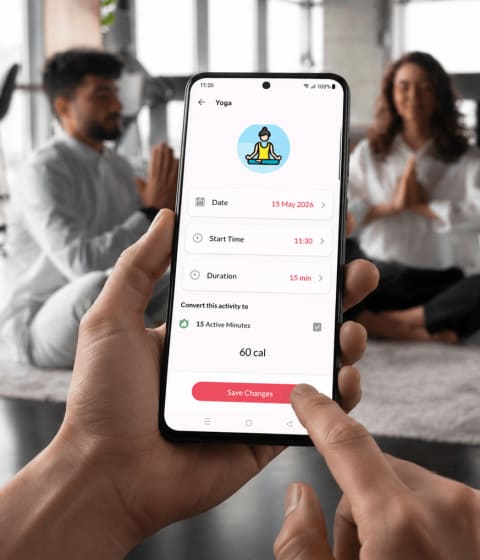
Given the above, corporate wellness platforms like Vantage Fit help organizations champion overall wellbeing by supporting diverse lifestyle interests, offering guided mindfulness sessions, and encouraging active lifestyle habits. The goal is to help employees thrive inside and outside the workplace.
Key Takeaways
- Productive hobbies provide constructive mental stimulation that prevents burnout and restores executive cognitive function.
- Harvard Business Review research confirms that engaging in creative leisure outside work enhances workplace problem-solving, willpower, and emotional resilience.
- Diverse hobbies (ranging from physical exercise and gardening to photography and coding) build transferable skills like discipline, patience, and spatial awareness.
- Workplace support for recreational interests (such as hobby clubs and wellness challenges) strengthens team bonding and reduces voluntary turnover.
- Platforms like Vantage Fit allow employees to log mindfulness, outdoor walks, and fitness routines as part of a balanced daily routine.
Happy is the man who can make a living by his hobby.
— G.B Shaw
Why is cultivating productive hobbies important for employees?
Partaking in constructive hobbies brings out the best in you. Harvard business researchers found that indulging in innovative activities can positively impact your willpower, emotional agility, peace, and performance-related outcomes at work. They noted that "creative activity while away from work may be a leisure activity that provides employees essential resources to perform at a high level."
Moreover, cultivating hobbies improves self-reflection. It helps employees discover hidden talents, build confidence, and navigate life's challenges with greater optimism.

Research also shows that taking part in leisure activities can profoundly impact our overall happiness index. Transforming passive pastimes into productive ones helps you thrive, learn, and grow tremendously.
Why should organizations encourage employee hobbies?

Organizations need fresh and innovative ideas every day. However, when employees are constantly focused on metrics and deadlines without creative outlets, cognitive fatigue sets in.
Productive hobbies keep creative thinking alive and help keep employee absenteeism and burnout at bay.
Today, forward-thinking workplaces design spaces for recreational activities, encouraging employees to take refreshing breaks. Features like modular lounges, reading nooks, or casual sports corners support the overall needs of the modern workforce.
"Happier, more productive employees are the ones able to take breaks throughout the day to recharge the mind and body. Employees that are physically, mentally, emotionally healthy are more focused and more productive."
— LeAnn Smith, Health & Nutrition Coach | Listen to the full episode
What are the main benefits of productive hobbies?
Monotonous daily routines can drain motivation. Developing constructive hobbies balances personal vitality and professional focus. Here are key benefits across individual and organizational dimensions:
Individual benefits

- Drives creative thinking and mental stimulation
- Reduces workplace stress and anxiety
- Improves sleep quality and physical recovery
- Offers continuous learning opportunities
- Can generate supplemental income
- Enhances positive thinking and emotional agility
- Enriches spiritual and mindfulness wellbeing
Organizational benefits

- Improves employee productivity and focus
- Builds problem-solving confidence
- Strengthens social wellness and team camaraderie
- Enhances interpersonal workplace relationships
- Supports behavioral health and resilience
21 productive hobbies to restore employee health and wellbeing
1. Physical exercise

Participating in routine physical exercise is one of the most beneficial uses of leisure time. Regular workouts strengthen cardiovascular stamina, boost endorphins, and sharpen cognitive focus.
Adopting fitness hobbies can help you achieve yearly health goals and set positive workplace wellness trends. Platforms like Vantage Fit make staying active intuitive by tracking workouts, rewarding daily streaks, and gamifying corporate fitness goals.
2. Reading

Of all things, I liked books best.
— Nikola Tesla
Reading is a timeless, high-impact habit that expands vocabulary, introduces diverse perspectives, and cultivates a growth mindset. Many world-renowned leaders, including Bill Gates and Warren Buffett, cite daily reading as a cornerstone of their success.
Spending 20 to 30 minutes reading each evening broadens your worldview and encourages calm before sleep.
3. Cooking and baking

Cooking and baking can be therapeutic. Not only does it help pass the time constructively, but it also serves as comfort. Preparing nutritious meals and feeding others provides genuine personal satisfaction.
Psychologists agree that cooking and baking leave behind a positive impact on your health and wellbeing. People who cook more often maintain healthier diets as well. You can share healthy recipes, host potlucks at the office, or explore new culinary skills.
Related Reading: How to Promote a Healthy Lifestyle in the Workplace
4. Photography

Photography as a passion can be inspiring. In a way, photography is more than just capturing an object. It is more about your vision and outlook toward the world.
If you are passionate about photography, explore nature trails or cityscapes on weekends. Photography enhances creativity, curiosity, and imagination while supporting mental wellbeing.
Consider organizing an office photo gallery or seasonal exhibition where team members can showcase their visual talents.
5. Music and instruments

Once again, she was free. Once again, she found peace. It was music that freed her soul from the dungeon of her mind.
— Wiss Auguste, The Illusions of Hope
Music is more than an expression. It is a healing therapy. Good music is an elixir for sadness and stress, helping develop positive emotions and maintaining focus and productivity at work.
Many choose to play instruments, sing, or form musical groups to keep their passion alive. Making time to play chords, practice beats, or listen mindfully provides deep emotional rejuvenation.
Jamming Fridays or casual music sessions at the workplace can create a vibrant space that encourages creative expression.
6. Traveling

If you are an adventurous person, traveling helps you explore the world and connect with new cultures and people. Traveling provides valuable cognitive rest and broadens perspectives.
Taking time to explore new destinations refreshes your outlook, helping you return to work with heightened energy and positivity.
7. Side hustling and freelancing

A side hustle allows you to develop entrepreneurial skills and pursue creative ventures outside a 9-to-5 job. Whether you explore freelance writing, graphic design, or part-time consulting, side projects provide a rewarding outlet for your expertise.
When your mind is actively engaged in building something you love, you foster continuous personal and professional growth.
8. Learning new languages

Learning a foreign language strengthens memory, problem-solving abilities, multitasking, and observation skills.
Whether studying Spanish, French, German, or Japanese, language learning opens doors to international literature, cinema, and intercultural relationships, making it a deeply enriching pursuit.
9. Blogging and creative writing

For those who love to write, blogging provides the freedom to share knowledge and express creativity. It helps clarify thoughts, refines communication skills, and builds a distinctive professional portfolio.
Publishing articles on topics you care about encourages continuous self-exploration and skill development.
10. Sports

Sports is one of the most exciting pastimes. Watching, playing, and talking about sports can rejuvenate your mind and body. Hobbies do not necessarily have to be creative. They can be fitness-oriented too, for example, roller skating, skiing, yoga, pilates, dancing, aerobics, and swimming.
If you are concerned about your physical health, investing time in sports can be beneficial. Watching movies and playing video games can be a good pastime, but hobbies can make your everyday lives brighter and better. In most cases, they expand your skills and broaden your horizons.

So, if you love playing football, find friends or invite your office besties who are equally enthusiastic and sporty. Organize weekly indoor and outdoor sports events with them.
Games are a great way to connect with people and live a healthy life.
11. Gardening

Connecting with nature through gardening is relaxing and physically rewarding. Raychel Santo from the Johns Hopkins Bloomberg School of Public Health highlights that lifting, shoveling, and raking provide meaningful physical activity.
Key benefits of gardening include:
- Encourages healthy, organic eating habits
- Enhances physical mobility and stress relief
- Revitalizes connection with the natural environment
- Provides a quiet, meditative space
- Promotes sustainable and green living
Related Reading: 51 Healthy Snacks for Work to Stay Energized
12. Meditation and breathwork

Meditation is an active spiritual and mental practice that cultivates inner calm and self-awareness. Regular meditation enhances workplace focus, reduces stress, and supports overall employee wellness.
Taking just 10 minutes a day to sit in quiet reflection helps regulate cortisol and improves emotional balance.
13. Online courses and skill building

Taking up learning as a hobby will never go to waste. Today, various online platforms provide unique learning opportunities, courses, and certificate programs.
Learning new skills can be stimulating. More importantly, having additional skills supplements your resume and growth at the office. Here are 10 unique skills that you can take up;
- Speed reading
- Basic home repair
- Basic Photoshop
- Ukulele classes
- Basic self-defense classes
- Digital Marketing
- Social media marketing
- Bartending
- Mental skills
- Stock investing skills
You can check out these platforms for new learning courses;
- Masterclass
- Skillshare
- Udemy
- Coursera
14. Knitting and crocheting

Knitting and textile arts provide rhythmic, repetitive manual motions that induce a calm, meditative state while producing tangible, handcrafted gifts.
15. Hiking and trail walking

Hiking combines aerobic exercise with immersion in green spaces. According to neuroscientist and author Daniel Levitin, navigating natural terrain actively exercises brain regions responsible for spatial memory and cognitive longevity.
16. Artisan coffee brewing

Exploring pour-over methods, French presses, and artisanal coffee beans turns a daily caffeine routine into an enjoyable craft. Learning about coffee origins and brewing techniques is a delightful hobby to share with colleagues.
Hosting occasional coffee-tasting sessions at work lets employees showcase brewing methods and connect informally.
17. Dancing

Dance has always been a part of our culture, traditions, and celebrations. Although today it is more about amusement and expression, it is still a beloved hobby for many.
Dancing allows you to be physically active and stay fit. It can help you release stress and tension. When you can pursue your hobby productively, your mental, behavioral and spiritual well-being remains unharmed. It uplifts the mood along with other benefits such as;
- Improves heart and lungs conditions
- Increases muscular strength, endurance, and motor fitness
- Increases aerobic fitness
- Helps in weight management
- Improves agility and flexibility
- Improves balance and spatial awareness
- Enhances physical confidence
- Improves mental functioning
- Enhances your social skills.
18. Community volunteering

Volunteering for a meaningful cause contributes positively to society while fostering empathy and perspective. Conducting community fundraisers or volunteer days with coworkers strengthens team cohesion and aligns with corporate social responsibility goals.
19. Painting and sketch art

Research from Drexel University found that spending just 45 minutes making art boosts self-efficacy and lowers cortisol levels, regardless of skill level. Sketching and painting provide a meditative escape that channels imagination onto the canvas.
20. Mindfulness exercises

When we get too caught up in the busyness of the world, we lose connection with one another and ourselves.
— Jack Kornfield
Practicing mindfulness exercises at work helps clear mental distractions, fosters calm, and enhances cognitive focus during busy workdays.
21. Pet walking

Daily walks with pets provide consistent cardiovascular exercise, increase outdoor daylight exposure, and strengthen social bonds with fellow pet owners in the community.
Wrapping up: Nurture hobbies for a healthier workforce
Encouraging employees to cultivate productive hobbies transforms workplace culture from exhausting to energizing. Constructive leisure nurtures creativity, alleviates stress, and builds transferable skills that elevate both personal satisfaction and professional output.
Corporate wellness platforms like Vantage Fit help organizations champion balanced lifestyles by tracking physical activity, promoting mindfulness habits, and celebrating wellbeing across teams.
Frequently Asked Questions
What qualifies an activity as a productive hobby?
A productive hobby is any recreational activity that actively engages your mind or body. It builds practical or creative skills, and leaves you feeling refreshed and energized rather than mentally depleted.
How do hobbies improve employee performance and reduce workplace burnout?
Constructive hobbies provide psychological detachment from work stress. It further allows cognitive recovery. Research shows that employees with creative outlets demonstrate higher problem-solving resilience, greater focus, and lower rates of burnout.
Can physical fitness or sports be considered hobbies?
Yes. Activities like recreational running, hiking, dancing, yoga, and team sports qualify as productive fitness hobbies that improve cardiovascular health, motor skills, and mental clarity.
How can employers support employee hobbies without encroaching on personal time?
Organizations can support hobbies by offering wellness stipends, organizing voluntary hobby and book clubs, hosting internal talent showcases, and respecting after-hours work-life boundaries.