
A workplace fitness culture is an organizational work environment where employee health, active habits, and overall physical vitality are embedded into daily company values.
A true fitness culture integrates movement-friendly policies, ergonomic support, team wellness initiatives, and leadership encouragement into everyday workflows to prevent burnout and sustain employee well-being.
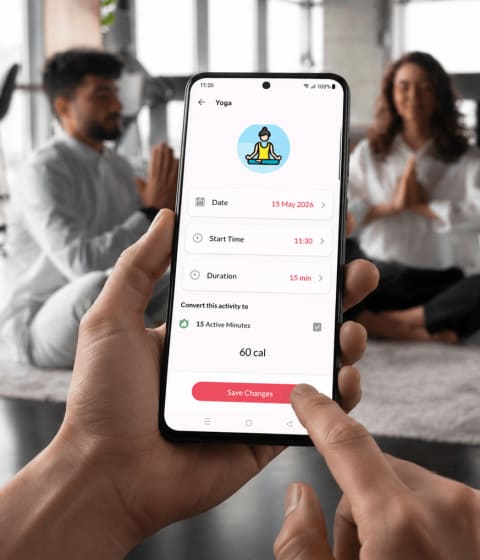
Corporate wellness platforms like Vantage Fit help organizations build this active environment by combining multi-activity tracking across 65+ fitness types, wearable syncing, collaborative team challenges, and milestone rewards that keep employees motivated.
Key Takeaways
- Measurable Healthcare Savings: Chronic physical inactivity costs the US economy $192 billion annually in healthcare expenditures, while structured wellness initiatives reduce corporate absenteeism by up to 80%.
- Inclusive Activity Support: Sustainable fitness cultures accommodate all movement preferences by tracking 65+ activity types across cardio, strength training, sports, and mindfulness.
- Social Connection & Morale: Multi-week team step challenges and friendly department competitions break down workplace silos and strengthen cross-functional collaboration.
- Leadership-Driven Adoption: Lasting cultural adoption requires visible participation from executives and managers who model active habits and encourage daily movement breaks.
For desk workers spending eight or more hours seated in front of monitors, establishing regular movement routines is essential for counteracting physical fatigue, musculoskeletal strain, and cognitive burnout.
Why modern organizations need a workplace fitness culture

The modern workplace is more sedentary than at any point in history. According to the International Labor Organization (ILO), American professionals work extended annual schedules:
- 85.8% of American males and 66.5% of females work more than 40 hours per week.
- US employees log 137 more hours per year than Japanese workers, 260 more hours than British workers, and 499 more hours than French workers.
- The World Health Organization (WHO) reports that nearly 1.8 billion adults globally are physically inactive, exposing them to heightened risks of cardiovascular disease, type 2 diabetes, and workplace obesity.
When organizations fail to provide structured avenues for movement, the consequences manifest in higher healthcare claims, afternoon fatigue, and elevated voluntary turnover:
| Dimension | Traditional Sedentary Workplace | Active Workplace Fitness Culture |
|---|---|---|
| Daily Physical Activity | 6–9 hours of continuous sitting with desk-bound lunch breaks | Integrated walking meetings, micro-breaks, desk stretches, and gym stipends |
| Employee Absenteeism | High unplanned sick days due to chronic fatigue and musculoskeletal disorders | Up to 80% reduction in absent workdays through preventative health engagement |
| Team Dynamics | Isolated departments with transactional, screen-only interactions | Shared fitness challenges, peer cheering, and cross-functional team milestones |
| Cognitive Performance | Afternoon brain fog, sluggish focus, and elevated mental exhaustion | Sustained mental clarity, enhanced creative problem-solving, and mood stability |
Investing in an active workforce delivers clear cultural and bottom-line returns, transforming wellness from an HR cost center into an operational growth driver.
5 Proven business benefits of a workplace fitness culture
Prioritizing employee physical activity generates tangible returns across financial metrics, team collaboration, and individual health outcomes.

1. Significant reduction in corporate healthcare costs
Unhealthy, sedentary workforces generate substantial financial liability for employers. According to data from the Centers for Disease Control and Prevention (CDC), inadequate physical activity accounts for $192 billion annually in direct healthcare expenditures across the United States.
Coupled with lifestyle-related lost productivity, chronic physical inactivity costs employers upwards of $1 trillion each year.
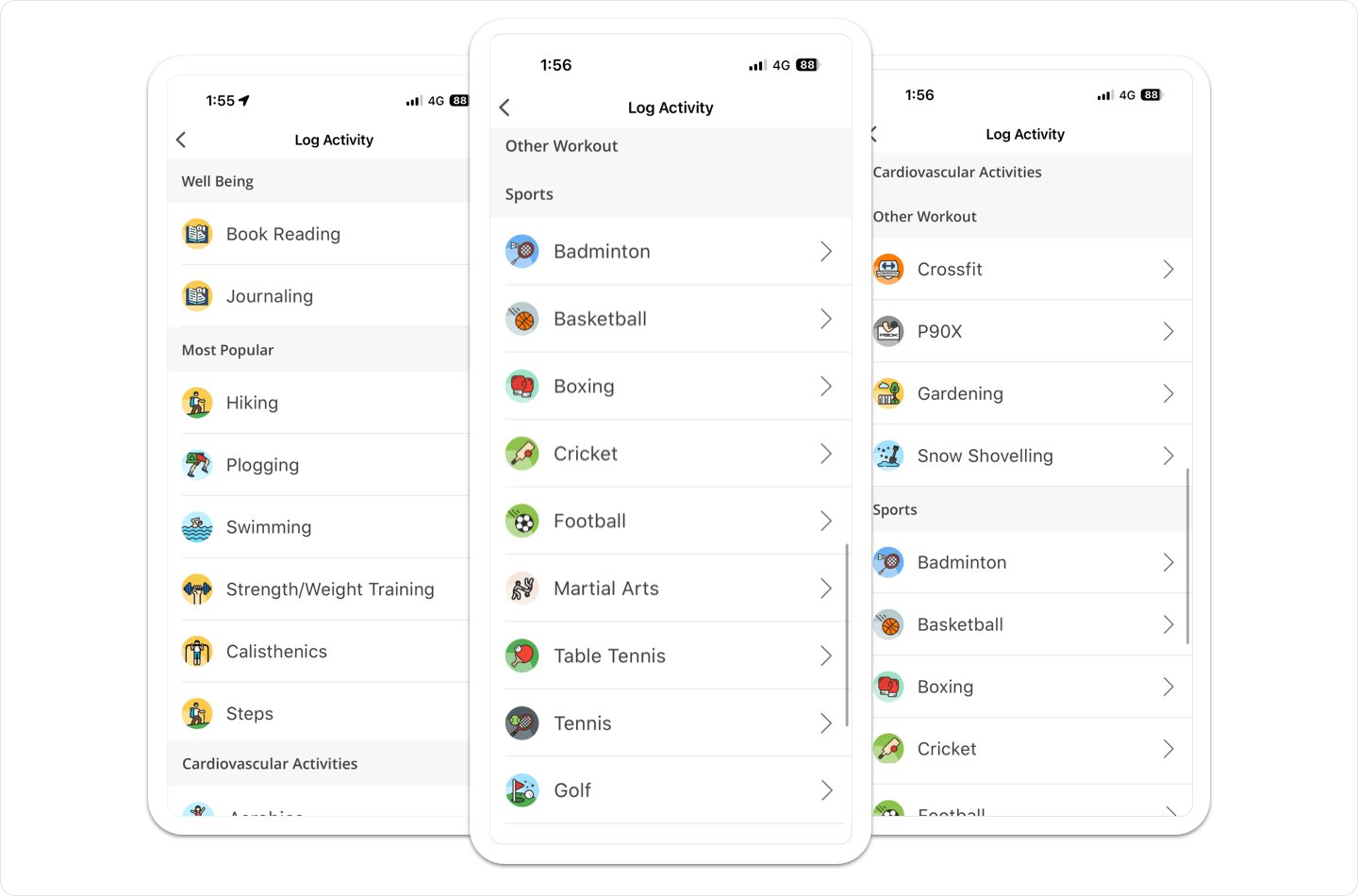
Digital wellness platforms like Vantage Fit empower organizations to lower health risks systematically. Employees can log 65+ activity types across cardio, strength training, sports, and mindfulness, while automatic sync with Apple Watch, Garmin, and Fitbit tracks daily calorie burn and active minutes effortlessly.
2. Lower absenteeism and higher work capacity
Employees who participate in regular physical activity take significantly fewer unplanned sick days. A landmark Harvard Business Review study on comprehensive corporate fitness programs revealed that organizations providing structured wellness support achieved:
- An 80% decrease in absent workdays among active program participants.
- A 64% increase in modified duty days, allowing recovering employees to stay productive safely.
By preventing repetitive strain injuries and chronic cardiovascular conditions before they escalate, proactive fitness initiatives safeguard organizational workflow continuity.
3. Elevated cognitive focus and employee retention
Physical activity stimulates the release of brain-derived neurotrophic factor (BDNF), endorphins, and dopamine. Research published by the American Psychological Association (APA) confirms that regular exercise directly enhances executive functions, including working memory, multitasking flexibility, and complex problem-solving.
Furthermore, employees who feel their company genuinely cares for their physical well-being demonstrate greater organizational commitment:
"The Vantage Fit app is a great tool for corporate walking challenges, providing users with a comprehensive platform to track their progress and stay motivated. The app has helped increase the amount of walking people in the office are doing, leading to improved physical health and mental wellbeing, while fostering camaraderie and competition on the leaderboard."
– Elsa Robertson, Heidrick & Struggles
4. Stronger cross-department collaboration and team morale
Shared fitness initiatives build informal social bridges that daily email exchanges cannot replicate. Participating in friendly walking leagues, step marathons, or 30-day challenges establishes mutual accountability and mutual encouragement across distributed teams.

During Brazosport Independent School District's (BISD) two-week Fit Wars challenge, 132 employees achieved an 86% engagement rate (16% above industry benchmark), averaged over 6,000 daily steps, and logged an average organizational mood score of 4 out of 5:
"Vantage Fit has helped our employees stay active, track their progress, and get rewarded: turning wellness into a daily habit that drives both health and happiness across BISD."
– Rachel Arthur, Director of Benefits & Wellness, Brazosport Independent School District
5. Workday stress alleviation and burnout prevention
Prolonged desk sitting exacerbates muscular tension in the cervical spine and lumbar regions while compounding psychological stress. According to clinical studies in the American Journal of Psychiatry, routine moderate exercise functions as a potent preventative buffer against depressive symptoms and workplace burnout.
Combining physical movement like desk exercises and office yoga poses with structured ergonomic adjustments provides immediate physical decompression during demanding work sprints.

6 Practical steps to build a workplace fitness culture
Creating an enduring fitness culture requires shifting from sporadic, one-time events to an ongoing framework that supports daily movement habits.

- Audit Workforce Health Baseline: Administer digital Health Risk Assessments (HRA) to evaluate baseline lifestyle factors (BMI, blood pressure, physical activity habits). Vantage Fit combines these inputs into a fair, composite Wellness Score (0–108 scale) that tracks aggregate workforce health improvement over time without compromising individual data privacy.
- Provide Multi-Device Activity Tracking: Equip employees with an intuitive mobile app supporting 65+ loggable activity types (from running and swimming to yoga and calisthenics) and automatic synchronization with Apple Watch, Garmin, and Fitbit. Include AI-powered tools like camera squat tracking to lower logging friction.
- Launch Inclusive Team Challenges: Structure multi-week campaigns, such as department walking leagues, target streaks (e.g., hitting 6,000 steps 4 days per week), and peer-led team competitions. Designing challenges around consistency rather than peak athletic output ensures high participation across all fitness levels.
- Incentivize Daily Consistency: Translate daily wellness achievements into tangible rewards through Vantage Points. Employees earn points by hitting daily targets, unlocking badges, and completing challenge milestones, redeemable for merchandise, gift cards, and experiences in the wellness marketplace.
- Ergonomic & Active Workstation Design: Integrate active infrastructure across physical and home offices, such as standing desks, under-desk walking pads, and designated micro-break stretch areas. Encourage employees to swap sedentary sit-downs for walking meetings during collaborative check-ins.
- Executive Modeling & Social Feeds: Foster social recognition by letting employees celebrate milestones, share workout summaries, and cheer colleagues on the in-app Community feed. Encourage senior leadership to participate publicly in team challenges, reinforcing fitness as a core organizational value.
Corporate wellness coach LeAnn Smith emphasizes the transformative power of leadership modeling:
"Having a workforce or a culture in your organization that supports and encourages physical activity can actually make your company a core of interest for people to want to come work there. It starts from the top down: leaders encouraging and leading by example."
– LeAnn Smith, Health & Nutrition Coach, Vibrant Life Source | Listen to the full episode
Frequently Asked Questions
What is a workplace fitness culture?
A workplace fitness culture is an organizational environment that actively encourages, facilitates, and normalizes physical activity throughout the working day. It integrates movement into company policies, provides digital activity tracking, organizes team challenges, and encourages leadership to model active habits.
How does workplace fitness reduce corporate healthcare costs?
Regular physical activity lowers the risk of chronic conditions such as cardiovascular disease, hypertension, and type 2 diabetes. According to the CDC, physical inactivity costs the US $192 billion annually. Preventative wellness programs help mitigate these chronic risks, reducing health insurance claims and prescription costs.
How can remote and hybrid companies promote physical fitness?
Remote and hybrid companies can build a vibrant fitness culture using mobile wellness platforms like Vantage Fit. Employees can connect their personal wearables, participate in virtual team walkathons, log 65+ activity types, and cheer colleagues on social feeds regardless of geographic location.
What are the most effective fitness challenge ideas for office workers?
Effective office fitness challenges include multi-week step walkathons, 30-day bodyweight squat challenges, consistency streak goals (e.g., 6,000 steps 4 days per week), and active lunch break walking groups. Inclusive challenges that reward consistency rather than peak intensity yield the highest participation rates.
How does Vantage Fit help build an active workplace culture?
Vantage Fit provides an all-in-one corporate wellness platform supporting 65+ activity types, automated AI squat tracking, real-time team leaderboards, customizable multi-week challenges, and redeemable wellness points that motivate employees to maintain daily physical habits.
Summing it up
Establishing a vibrant workplace fitness culture is one of the most high-impact investments an organization can make for employee health, morale, and long-term business performance. By removing sedentary barriers and providing supportive tracking tools, employers empower their teams to feel energized, connected, and resilient.
Explore our comprehensive guide to corporate fitness programs to learn how you can design and scale wellness initiatives tailored to your workforce.