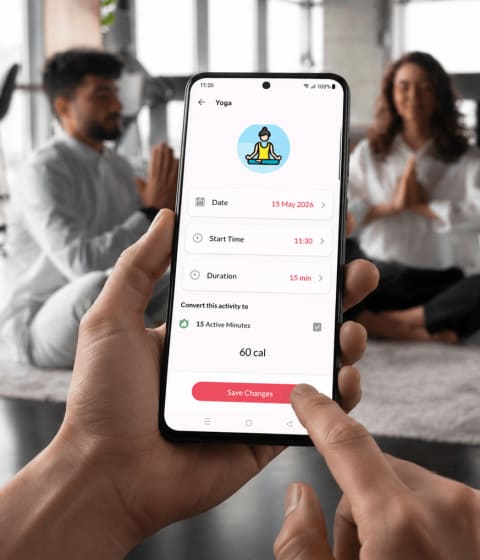

Data-driven employee wellbeing is the systematic collection, analysis, and application of workforce health metrics (including biometric screenings, platform engagement rates, absenteeism records, and health risk assessments) to design, personalize, and optimize corporate wellness programs.
By replacing guesswork with quantitative analytics, HR leaders can align health programs with actual employee needs and demonstrate measurable return on investment (ROI).
Did you know? 89% of employees don't feel their company truly cares about their well-being. However, a study in 2025 suggests that almost 87 percent of companies nowadays have wellness programs. Despite this massive investment, a surprising gap exists: Only 20-40% of eligible employees participate in wellness programs in any given year.
This happens because most wellness programs lack the precise data to drive the desired result. Corporate wellness platforms like Vantage Fit bridge this gap by equipping HR teams with real-time participation dashboards, health risk profiling, and department-level activity tracking to iterate programs and maximize workforce impact.
Key Takeaways
- Data-driven employee wellbeing replaces generic wellness perks with objective health metrics, biometric insights, and engagement analytics.
- Traditional wellness programs experience low (20–40%) participation rates when they fail to address the specific lifestyle risks of their workforce.
- Tracking 8 essential metrics (from absenteeism and healthcare claims to retention and pulse survey scores) enables HR to quantify wellness ROI.
- Case studies show measurable gains: Wipro achieved an 84% increase in step activity across consecutive challenges by analyzing participation data and refining program design.
- Strict compliance with ADA, GINA, and privacy standards ensures employee health data remains confidential and aggregated.
What is data-driven employee wellbeing?
Data-driven well-being involves the systematic collection, analysis, and application of quantitative and qualitative data to design and optimize wellness programs. The end game of this approach is to boost employee well-being.
This approach involves going beyond "gut feeling" or generic benefits packages that usually say one size fits all. Data-driven strategies for employee well-being use real-time insights, like health risk assessments to engagement metrics. These ensure the wellness program is relevant, targeted, and effective.
What are the benefits of a data-driven approach to employee wellbeing?
Implementing a data oriented wellness strategy allows HR leaders to create targeted programs that deliver tangible results. Here are the key benefits:
1. Tailored interventions
By leveraging real-time data, HR can design wellness programs tailored to the unique needs of its workforce. Whether it's a burnout reset for high-stress teams or fitness goals for desk-heavy employees, personalized interventions make employees feel understood and valued.
Tailored approach helps build trust among employees.
Step challenges for office workers, or nutrition workshops for employees with metabolic health concerns are some instances of tailored wellness approach.

2. Measurable outcomes
Access to precise data enables HR to track the effectiveness of wellness programs. By measuring employee engagement, physical activity levels, and stress indicators, HR can quantify the impact of wellness programs.
Key metrics in this case may include the following:
- Employee mental health
- Physical health status
- Overall organizational performance
- Sick leave usage
- Productivity and retention
3. Increased engagement
A wellness program curated with data-driven insights is likely to have higher engagement and participation rates. After all, employees will engage with a platform that resonates with their wellness goals.
4. Resource optimization
Data holds immense power, especially in today's age of artificial intelligence.
Data lets HR optimize wellness resources by identifying what works and what doesn't. Whether it's reallocating budget or adjusting the program's focus, data ensures that every investment is directed toward what truly benefits employees.
5. Proactive health management
Data-driven well-being isn't just about tracking employee health. It's about using predictive data to catch health risks early. Early identification of potential issues allows HR to implement preventative measures before they become larger problems.
For instance, Vantage Fit's analytics dashboard gives HR real-time visibility into workforce health and engagement data. From daily steps and nutrition to activity trends by department, HR gets access to it all. With built-in engagement reporting and participation tracking, HR leaders can identify which initiatives are working and iterate quickly.
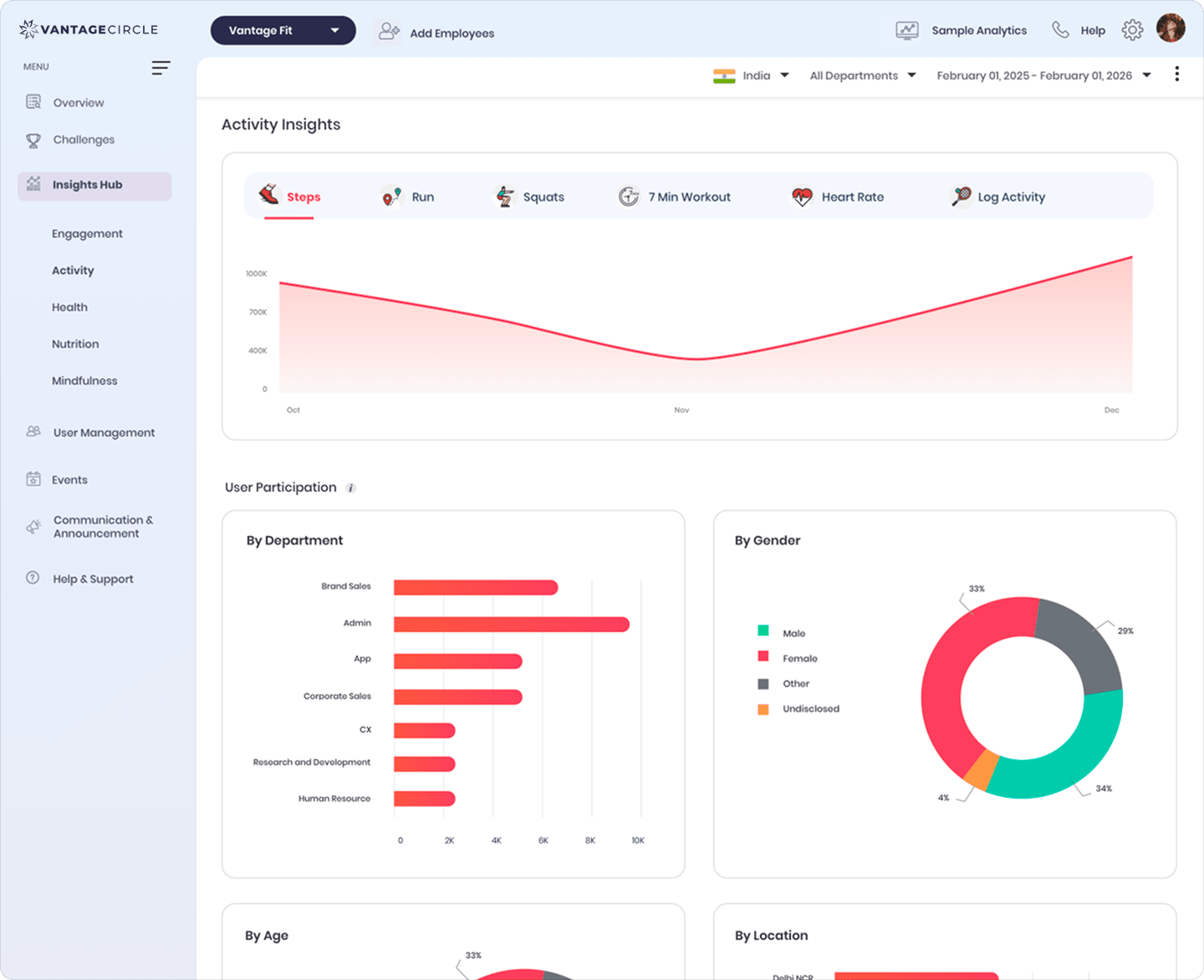
The impact of data-driven iteration is significantly measurable. Wipro's 2025 wellness challenges saw an 84% increase in step activity from May to July, growing from 41.45M to 76.12M steps. This is the result of HR analyzing participation data after each challenge and adjusting the program design across three consecutive challenges.
Read the full story: Wipro Global Wellness Case Study
"The app's analytics provided clear insights into participation levels and helped us recognize and celebrate achievements effectively."
— Shubham Sanghavi, Avalon Consulting
78% of HRs use some form of dashboards to monitor wellness ROI and participation rates in wellness programs.
6. Strategic decision-making
Data gives HR leaders what they need to align wellness programs with broader company goals. By using employee health data insights, HR can drive outcomes that align with business objectives.
Consequently, improving metrics like employee satisfaction, healthcare costs, retention, turnover rate becomes easier.
7. Continuous improvement
The process of continuous scrutiny of wellness initiatives helps in the refinement of the program and its long-term success. Collecting feedback from the participants and the company leaders before and after rolling out the wellness initiative is essential. HR can then use this feedback to make the necessary adjustments to their initiatives accordingly.
How can HR access key data on employee wellbeing?
To build an effective, data-driven wellness program, HR must collect and analyze various data points:
1. Employee health surveys and assessments
Wellness surveys and assessments offer critical insights into employee health behaviors, stress levels, and wellness program preferences. This helps capture both quantitative health metrics and qualitative feedback about program effectiveness.
2. Biometric screening programs
Health key indicators are another vital data point to collect to analyze employee well-being. Some of the indicators to include are:
- Blood pressure
- Complete blood count test
- Lipid profile
- Kidney function test
- Blood glucose
- BMI
38% of large organizations currently offer biometric screenings, which establish health baselines and enable tracking of improvements over time.
3. Wearable technology and digital health platforms
Wearables and wellness platforms provide real-time data on physical activity, sleep patterns, and heart rate variability. As you can see, these offer unprecedented visibility into employee health.
65% of employers use wellness platforms or apps to track employee engagement.
4. Healthcare claims history
Employees' healthcare claims data reveal a lot about their medical history. You can get a hint of their medical spending, chronic condition prevalence, emergency room visits, and pharmaceutical usage.
82% of leading organizations track total healthcare spending, and 78% monitor prescription trends to inform wellness program priorities.
5. Human Resources Information Systems (HRIS)
HRIS platforms originally began as a simple employee records system. Fast-forward to current times, HRIS now captures valuable demographic data, absenteeism records, workers' compensation claims, and employee engagement metrics.
This internal data provides context for wellness program development or improvement and its impact measurement. In short, the data retrieved from HRIS can correlate with wellness outcomes.
Which essential data points do you need to track?
1. Health risk and biometric indicators
Monitor key biometric measures, including blood pressure, cholesterol levels, blood glucose, and BMI, that comprise health baselines. These fundamental health indicators help identify employees at risk for chronic diseases, that commonly occurs among most employees.
2. Absenteeism and presenteeism metrics
Most employers have complaints about the high absenteeism rate and poor presenteeism rate.
A report suggests 89% of HR leaders see employees take fewer sick days because of effective wellness programs. This shows how critical these metrics are for ROI measurement.
Consider absenteeism and presenteeism rates as key data points to evaluate the effectiveness of the wellness program.
3. Employee engagement and satisfaction scores
Host periodic in-house pulse surveys to measure employee engagement levels, job satisfaction ratings, and wellness program satisfaction.
According to the Recruiters' lineup report, 77% of employees report that wellness programs positively impact workplace culture.
4. Healthcare cost and utilization patterns
Monitor healthcare spending trends, insurance claim frequencies, prescription drug usage, and emergency room visits.
A Wellhub study reveals 91% of HR leaders report decreased healthcare benefit costs.
5. Program participation and utilization rates
Track employees' participations and completion rates in the wellness program initiatives. This data helps identify which initiative resonates with employees and which may need redesigning.
6. Mental health and stress indicators
Monitor stress levels, burnout scores, mental health resource utilization rate, and psychological safety indicators. Mental Health America's 2024 Mind the Workplace report suggests 75% of U.S. employees report work stress negatively impacting sleep. Hence, tracking mental health and stress indicators is increasingly critical.
7. Productivity and performance metrics
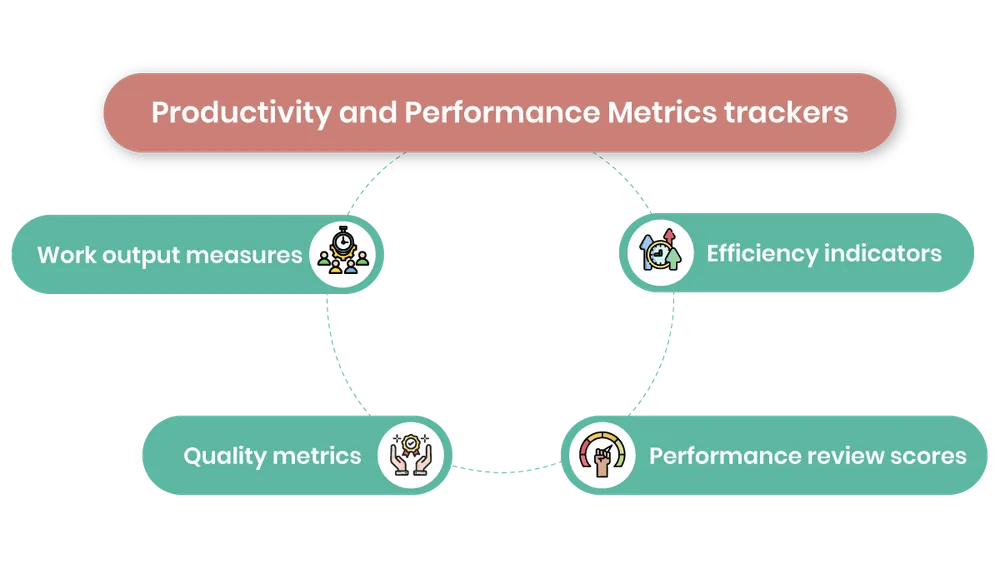
This may sound a bit like micromanaging, but since the end goal is to increase organizational performance, tracking the following is essential:
- Work output measures
- Efficiency indicators
- Quality metrics
- Performance review scores
In doing so, you can understand the connection between wellness initiatives and business outcomes.
99% of HR leaders report that wellness programs increase employee productivity.
8. Turnover and retention rates
Lastly, monitor voluntary turnover and retention rate (by department or role) and exit interview data. Filter out the data related to wellness factors, and that is how you get the key to upgrading employee wellbeing.
98% of HR leaders say their well-being program reduces turnover. This statement shows retention is a key metric to success.
How to use employee data to improve your wellness program?
- Segment by demographics, departments, and needs: Once the data is ready and analyzed, tailor initiatives for different age groups, roles, or shifts. Offer flexible options like mental health apps, fitness stipends, and nutrition coaching based on data insights. For instance, you can arrange ergonomic support for desk workers and fitness challenges for field staff.
- Collect feedback regularly: Run pulse surveys and place suggestion boxes to improve programs from time to time.
- Measure outcomes: Study absenteeism, productivity, and healthcare claims (while maintaining confidentiality) rates before and after the wellness program. This will help to measure the ROI of the wellness program.
Read more: How to Build and Implement a Wellness Program
Privacy and ethical considerations
Employee health data collection requires strict adherence to privacy laws like ADA, GINA, state regulations, and ethical standards, even though HIPAA typically doesn't apply to employers directly.
Here are some key requirements in this case:
- Voluntary Participation: Employees must provide informed consent and have a clear understanding of how their data will be used.
- Data Security: Ensure data is stored securely and separate from HR files.
- Non-Discrimination: Programs must accommodate all employees, regardless of health status.
- Vendor Oversight: Ensure third-party wellness providers adhere to strict privacy protections.
The goal is to build a culture of trust where employees feel safe participating in the program. They should have full assurance that their health data will not impact employment decisions or be misused. Transparency, accountability, and genuine voluntary participation are the foundation of ethical wellness programs.
Read more: Employee Wellbeing Metrics: What to Track and How to Report
Final thoughts
Transforming employee well-being through data-driven approaches is more than just a technological upgrade. It's a fundamental shift toward carrying out more effective, personalized, and impactful wellness strategies.
As the idea of workplace wellness continues to evolve, the organizations that thrive will be those that can effectively translate employee health data into strategic action while maintaining their workforce's trust.
So, are you ready to harness the power of data-driven wellness for your organization? Explore analytics tools like Vantage Fit's Health & Fitness Analytics to start building efficient wellness programs. And witness measurable results for both your employees and your business.
Frequently Asked Questions
What is data-driven employee wellbeing?
Data-driven employee wellbeing is the practice of collecting and analyzing workforce health data (such as activity levels, biometric risk factors, absenteeism rates, and engagement metrics) to design, personalize, and optimize corporate wellness programs for maximum health impact and return on investment.
How do wellness analytics help HR demonstrate program ROI?
Wellness analytics enable HR to correlate program participation with concrete business outcomes, including reduced sick leave, lower healthcare claims inflation, decreased employee turnover, and enhanced productivity metrics over time.
How do employers protect employee health data privacy?
Employers ensure health privacy by partnering with secure wellness platforms that aggregate and de-identify all personal health data. Programs must ensure voluntary participation, adhere to ADA and GINA regulations, and never use individual health information for employment decisions.
Which key metrics best indicate employee wellness program success?
Core success metrics include monthly active participation rates, challenge completion percentages, employee satisfaction (pulse survey) scores, reduction in unplanned absenteeism, and long-term healthcare claims stabilization.